

The Legacy of Texas High School Football
High school football in Texas has a storied legacy that transcends the boundaries of mere athletic competition. The sport has embodied the spirit and culture of Texans for generations, forming an integral part of the state’s identity. From small towns to bustling urban centers, Friday night games become community highlights where families and friends gather to support local teams. The passion for the game resonates deeply, creating bonds that unite people of all ages.
Historically, Texas high school football has been characterized by iconic teams, memorable players, and unforgettable moments. Schools such as the Odessa Permian Panthers and the Dallas Carter Cowboys have etched their names into the annals of football history, showcasing the remarkable talent and dedication that has become synonymous with Texan pride. These legendary programs have contributed to the sport’s evolution, often becoming the bedrock of football culture within their respective communities.
Moreover, the UIL (University Interscholastic League) plays a pivotal role in organizing statewide competitions, culminating in the celebrated state finals. These events not only showcase the elite skills of young athletes but also draw thousands of spectators who revel in the excitement of high school football. It’s not just a game; it is a celebration of achievement and camaraderie that instills a sense of pride in communities across Texas.
The influence of high school football extends beyond the field; it impacts schools, families, and local economies. As young athletes aspire to make their mark, they carry the hopes and dreams of their neighborhoods, fostering a collective spirit that binds communities together. This legacy is palpable, ensuring that high school football remains a cherished tradition in the Lone Star State for years to come.
Overview of the State Championships
The Texas high school football state championships represent the pinnacle of competition for high school athletes across the state. Organized by the University Interscholastic League (UIL), the championships are structured into various divisions and classifications that accommodate the large and diverse pool of participant schools. This classification system categorizes teams based on their enrollment numbers and geographic location, ensuring that schools with comparable resources and student populations compete against one another. Typically, divisions range from 1A, representing the smallest schools, to 6A, which encompasses the largest.
The qualification process for teams wishing to participate in the state finals is rigorous. Each team must navigate through a series of district games and playoff matches, with only the top performers advancing to the state level. This extensive playoff framework is crucial as it ensures that only the most skilled and well-prepared teams reach the championship games. The playoffs not only serve to determine the best teams, but they also heighten the excitement and community involvement that high school football embodies in Texas.
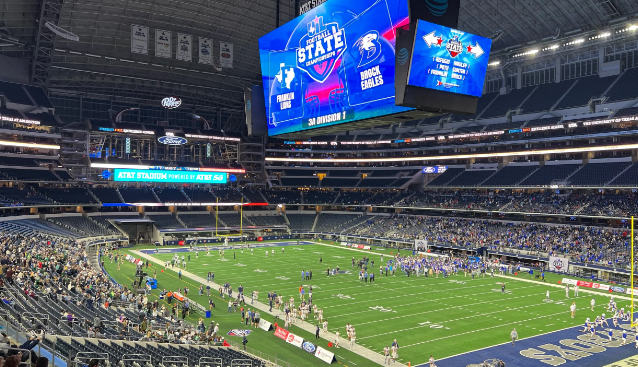
The championship games themselves are held at prominent venues across the state, showcasing the talent and dedication of these young athletes. Locations like AT&T Stadium in Arlington and NRG Stadium in Houston have hosted numerous state finals, creating a thrilling atmosphere for both players and fans alike. These venues are not just fields of play; they are arenas of dreams where high school football teams strive to etch their names in Texas sports history. Understanding this structure fosters a deeper appreciation for the significance of the UIL Texas high school football state championships and the exceptional journey teams undertake to reach this ultimate contest.
Key Teams and Players to Watch
As the Texas high school football state finals approach, several teams stand out among the competition, showcasing not only skill and determination but also resilience throughout the season. The UIL playoffs feature some of the top-ranked high school football teams that have navigated through a challenging regular season and the playoffs successfully, establishing themselves as formidable contenders.
Among the elite teams, North Shore High School has made headlines with their powerful offense and strategic defense. Coached by Jon Kay, the Mustangs have consistently performed at a high level, boasting a remarkable winning streak. This season, plays executed by their quarterback have led to impressive yardage, making them a serious threat in the upcoming finals. North Shore’s ability to adapt during games has been key to overcoming tough opponents, and their teamwork sets a positive tone in critical moments.
Allen High School also enters the UIL finals with great expectations. Known for their deep roster of talent, the Eagles have a strong lineup, particularly with their star wide receiver who has recorded over a thousand receiving yards this season. His ability to make clutch catches in critical situations has been a game-changer for the team. The Eagles’ path to the finals has not been devoid of challenges; however, their perseverance and tactical play have been on full display this season.
In addition to team dynamics, the spotlight will shine on individual players. Quarterback Cade Klubnik of Westlake High School has emerged as a standout athlete, showcasing a commendable mix of passing precision and athleticism. His performances in key matchups have elevated his team’s chances as they aim for glory in the state finals. As Texas high school football unfolds, these dynamic players and their respective teams promise to bring excitement and anticipation to fans across the state.
The Cultural Phenomenon of Texas High School Football
In Texas, high school football transcends the boundaries of mere sport; it emerges as a defining cultural phenomenon that evokes immense passion and dedication among players, fans, and communities. On game days, towns transform into vibrant hubs of activity, where residents, often clad in their school colors, gather to support their athletes. The anticipation builds as families, friends, and alumni come together, showcasing an unparalleled sense of community pride that contributes significantly to the atmosphere of the UIL state finals.
The traditions surrounding high school football are rich and varied, ranging from spirited pep rallies and tailgating events to the iconic halftime shows and marching band performances. These time-honored practices serve not only to honor the teams but also to create an engaging environment that fosters a sense of belonging and unity within the community. During the state championships, the excitement and fervor reach a crescendo, drawing attention from sports enthusiasts statewide and even inspiring national interest.
Moreover, the significance of high school football in Texas extends beyond community engagement; it plays a crucial role in the recruitment pipeline for college athletics. Outstanding performances in UIL competitions can lead to scholarship opportunities for talented players, enhancing their prospects of playing at the collegiate level. As a result, high school football serves as an essential stepping stone in the lives of many young athletes, shaping their futures through hard work and dedication on the field.
Ultimately, the cultural impact of high school football in Texas is inescapable. The blend of spirited competition, communal support, and the aspirations of young athletes render it an integral part of the state’s identity, particularly during the excitement of the state finals. Appreciating this cultural phenomenon highlights the considerable role that high school football plays in Texas, resonating with a collective pride that is unparalleled in the sporting landscape.