

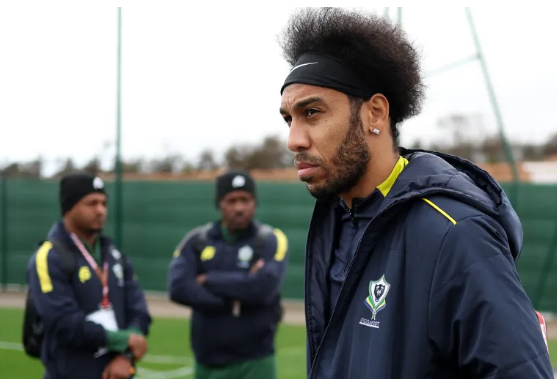
Overview of Gabon’s Performance at AFCON
Gabon entered the Africa Cup of Nations (AFCON) with hopes of advancing far in the tournament, fueled by the presence of key players like Pierre-Emerick Aubameyang. The team garnered attention not only for its star forward but also for a roster filled with talent, making expectations particularly high. However, Gabon’s journey through the tournament proved to be disappointing, characterized by a series of underwhelming performances.
In their opening match, Gabon faced a competitive opponent, but they struggled to convert opportunities into goals, resulting in a 1-1 draw. This match set the tone for their subsequent games, as they were unable to find their rhythm. Throughout the group stage, defensive frailties were evident, with the team conceding critical goals at crucial moments, ultimately leading to their elimination. A total of three matches yielded only two points for Gabon, highlighting the disconnect between their potential and actual performance on the field.
Aubameyang, despite being a standout player for his club, faced challenges in replicating his form during the tournament, contributing to the team’s lack of offensive output. The absence of cohesive teamwork and strategic play further hampered Gabon’s efforts. The pressure increased with every passing match, showcasing a squad that struggled to manage expectations amidst rising FIFA concerns about their performance standards.
The fallout from AFCON for Gabon was profound, as the national team faced scrutiny and criticism from fans and analysts alike. Unfortunately, the combination of high hopes and a series of disappointing results led to significant changes in the management structure of the team. Ultimately, Gabon’s AFCON campaign will be remembered for its missed opportunities and a clear need for strategic overhaul in preparation for future competitions.
Reasons Behind the Government’s Decision
The recent decision by the Gabon government to dismiss the national football team following their underwhelming performance at the Africa Cup of Nations (AFCON) has raised questions about the motivations driving such a significant action. This response can be viewed through several lenses, including public sentiment, the cultural significance of football, and potential political ramifications.
First and foremost, football in Gabon transcends mere sport; it occupies a central place in the national identity. The public’s passion for the game can be seen during major tournaments when citizens rally around their team, hoping for pride and success on an international stage. A disheartening exit from a prestigious tournament like the AFCON not only disappoints fans but also reflects poorly on national image. As star player Pierre-Emerick Aubameyang had previously indicated the hopes of the nation, the team’s failure resonated deeply, potentially leading to a public outcry that the government could not ignore.
Additionally, political implications cannot be understated. Public sentiment towards governmental leadership can become volatile in the wake of a national failure, particularly one that involves such a beloved aspect of culture. By taking decisive action against the football team, the Gabon government aims to convey a message of accountability and commitment to improvement. Officials have publicly stated that maintaining national pride is paramount, directly linking their decision to the expectations set forth by both the public and players alike.
Moreover, pivotal elements such as FIFA concerns regarding national football teams’ performances play a role in the decisions made by governments. Gabon, striving to enhance its status on the international stage, may feel pressured to align with FIFA standards and ensure better future outcomes to avoid repeating the AFCON fallout. This dismissal of the football team can thus be seen as a strategic move aimed at revitalizing the sport within the country.
Reactions from Players and Coaches
The recent dismissal of the Gabon national football team following their underwhelming performance in the Africa Cup of Nations (AFCON) has triggered a wave of emotions among players and coaching staff. Many expressed disappointment, reflecting on their aspirations and efforts leading up to the tournament. Star player Pierre-Emerick Aubameyang, who has often been the focal point of Gabon football, stated, “We believed we had a strong chance to make an impact, and it’s heartbreaking to face such an abrupt end. We were hopeful for better results that would bring joy to our fans and change the narrative around Gabon football.”
Coaching staff members, too, shared their sentiments regarding the team’s performance and the subsequent fallout. In an interview, the head coach remarked, “Every player gave their utmost, yet football is unpredictable. We trained hard, but it seems our strategies did not translate effectively on the pitch. It’s a bitter pill to swallow”. The coach highlighted the challenges faced during the preparation period, including injuries and logistical issues, while addressing FIFA concerns that often overshadow competitions like AFCON and impact national teams.
Former players also weighed in on social media, with some suggesting that the management should have taken accountability sooner rather than waiting until after the tournament’s outcome. Their insights bring to light the perennial difficulties within a national football context, where the burden of performance is shared between players and officials. As Gabon football navigates this transitional phase, the voices from both current and former players echo a desire for immediate changes to restore faith in the national team and to ensure a more favorable outcome in future competitions.
Moving forward, many within the Gabonese football community hope for a period of reflection and restructuring that brings renewed potential, allowing the team to re-emerge stronger from the AFCON fallout.
Future Implications for Gabonese Football
The recent decision by the Gabonese government to sack the national football team following the disappointing performance at the Africa Cup of Nations (AFCON) has raised significant questions regarding the future of Gabonese football. This move is indicative of a pressing need for reform within the national setup, especially in the context of international competitions and the aspirations associated with prominent players like Pierre-Emerick Aubameyang.
One of the immediate implications of this decision will be the selection of a new coach. The appointment of a competent coach will be vital in redefining Gabon football’s strategic direction. A new leader could introduce innovative training regimes, tactics, and possibly a fresh perspective on team selection and youth integration. Moreover, there may be a focus on leveraging the experience of seasoned players while nurturing young talent, which could enhance performance in qualifying matches for future tournaments.
Another critical aspect to consider is the morale of the players. The recent AFCON fallout might have adversely affected the team’s spirit. The players’ confidence is crucial, and how the new management addresses this will play a significant role in the team’s performance. It is essential to cultivate an environment that promotes resilience and motivation, allowing players to bounce back from adversity and focus on future competitions.
Lastly, the implications of sacking the national team extend beyond immediate performance concerns. The Gabonese football federation must also address FIFA’s regulations and ensure compliance to avoid potential sanctions. As Gabon looks towards rebuilding, the holistic approach to governance, strategic planning, and player development will undoubtedly set the tone for future successes on both continental and global stages. Overall, while challenges lie ahead, proactive measures could pave the way for a renaissance in Gabon football.