

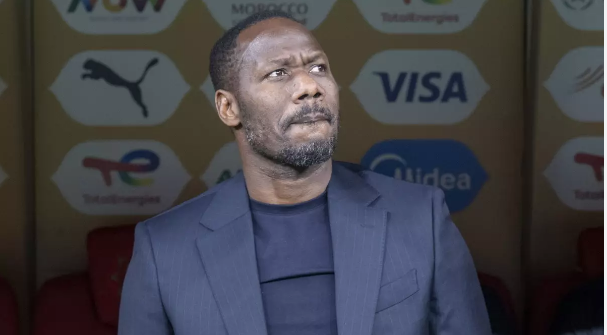
Introduction to AFCON Controversies
The Africa Cup of Nations (AFCON) stands as one of the most prestigious football tournaments in Africa, encapsulating the continent’s passionate rivalry and showcasing the depth of talent within its nations. Each edition of AFCON not only highlights the skill and determination of African players but also serves as a focal point for national pride and identity. Given the competitive spirit inherent in these tournaments, various controversies frequently arise, often drawing significant media attention.
Developing narratives surrounding teams and coaches is a fundamental aspect of sports journalism. However, how these stories are portrayed can greatly influence public perception and support. Recently, there has been considerable debate regarding the treatment of Senegal’s coach by Moroccan media during the tournament. This incident highlights the critical need for fair and unbiased reporting, particularly in an environment as vibrant and intense as AFCON. Such occurrences are not merely individual events but reflect broader trends in media representation and its impact on sporting figures.
The controversies surrounding AFCON often encapsulate the ongoing struggles for recognition and respect among African nations. Incidents like the one involving Senegal’s coach serve as reminders of the responsibilities that journalists hold in shaping narratives. The relationship between media and sports, especially during high-stakes tournaments like AFCON, demands a careful balance between engaging storytelling and ethical reporting. Consequently, it is imperative that journalists uphold standards that respect the dignity of all individuals involved, to foster a healthier competitive environment.
Details of the Incident
The recent Africa Cup of Nations (AFCON) tournament brought both excitement and tension, particularly regarding the interaction between Moroccan media and Senegal’s national coach. The incident in question primarily revolved around an aggressive line of questioning posed by the Moroccan journalists during a press conference, which many interpreted as disrespectful and provocative. The context was particularly sensitive, as the Senegalese team had just experienced a crucial defeat in the competition, heightening the emotional stakes for both the players and the coaching staff.
During the session, journalists directed several challenging questions at the Senegalese coach, focusing on the tactics employed during the match and the perceived failure to capitalize on key opportunities. This line of questioning, viewed by many as an attempt to undermine the coach’s authority and capabilities, not only surprised the coach but also sparked further outrage among supporters and analysts alike.
In response to the barrage of challenging inquiries, the Senegalese coach maintained his composure. However, it was evident that he was taken aback by the tone and nature of the questions, indicating a clear sense of discomfort. The media’s behavior raised eyebrows and ignited discussions about the ethics of journalistic practices, particularly within the high-stakes environment of the AFCON.
As the incident continued to unfold, Senegalese fans and pundits took to social media platforms to express their discontent with the Moroccan media’s conduct, calling it inappropriate and bordering on harassment. This reaction brought the situation into the spotlight and highlighted broader themes of respect and professionalism in sports journalism. Such controversy surrounding media treatment can overshadow the sporting events and affect player morale, making it a vital topic for discussion as the tournament progresses.
The ongoing African Cup of Nations (AFCON) has brought to light various issues within African sports journalism, particularly the treatment of figures such as Senegal’s national coach, Aliou Cissé, by Moroccan media. A Nigerian journalist has raised significant concerns about the professionalism that appears lacking in this coverage. According to this journalist, the portrayal of Cissé has often been colored by bias, rather than focusing on objective reporting that is essential in sports journalism.
The critic highlighted that Moroccan media’s approach to reporting on Senegal and its coach has often strayed from acceptable professional standards. This is problematic as it not only reflects poorly on the media outlet but also jeopardizes the integrity of journalism as a whole. The journalist emphasized the need for a more balanced portrayal of African football figures, especially during a prestigious tournament such as AFCON. If the media continues to display favoritism or engages in sensationalism, it can paint an inaccurate picture of events and influence public perception unfairly.
Moreover, the implications of such biased reporting extend beyond individual athletes or coaches. The journalist articulated that this kind of coverage undermines the broader narrative of African football, which is already working to break free from historical stigmas and biases. By misrepresenting key figures like Cissé, Moroccan media not only risks damaging the reputation of Senegal but also hampers the growth and respectability of African football in international spheres.
In essence, the Nigerian journalist’s perspective sheds light on a pressing issue within the realm of African sports journalism, drawing attention to the need for professionalism and integrity. Only by fostering accurate and unbiased reporting can the image of African football, exemplified by events like AFCON, be positively advanced.
Implications for African Football Media
The recent critiques made by a Nigerian journalist concerning the Moroccan media’s treatment of Senegal’s coach during the AFCON shed light on important implications for African football media as a whole. This incident serves as a microcosm of the broader challenges facing sports journalism on the continent, highlighting the need for a more responsible and equitable approach in the coverage of football.
The way media portray coaches, players, and teams can significantly influence public perception. Negative framing or sensationalism not only affects the individuals involved but can also shape viewers’ opinions about African football as a whole. In this context, journalists bear a significant responsibility; they are not merely observers but active participants in shaping narratives. It is crucial for the media to engage in fair reporting, providing balanced perspectives that promote understanding rather than controversy.
Moreover, fostering a culture of respect and professionalism within sports reporting is imperative. This calls for self-regulation among journalists, adherence to ethical standards, and a commitment to highlighting the achievements and challenges of all teams without bias. Training programs and workshops aimed at enhancing media literacy and sensitivity could be beneficial across the continent, equipping journalists with the tools necessary to avoid perpetuating stereotypes or engaging in divisive rhetoric.
As stakeholders in African football consider the repercussions of such media behavior, it is essential to advocate for collaborative journalism—where media outlets share resources and insights—to encourage more positive narratives. These strategies can pave the way for a more respectful and equitable media landscape, ultimately benefiting the sport and its representation across the continent.