

Understanding the Money League: What is it and Why it Matters
The concept of the Money League, as published by Deloitte, provides a critical overview of the financial performance of football clubs globally. It ranks clubs based on their overall revenue, delivering a snapshot of financial health within the footballing landscape. The criteria utilized in this league extends beyond mere matchday income, factoring in a comprehensive array of revenue streams, including broadcasting deals, commercial partnerships, and other financial activities.
To assess and rank clubs accurately, Deloitte employs a meticulous methodology that involves examining various financial statements and revenue reports. This results in an analysis that reflects each club’s overall financial position. For clubs like Manchester United, their financial ranking is not only a measure of financial success but a reflection of their global brand strength and market presence. As revenue is a significant driver of club development and competitiveness, the Money League’s insights are invaluable for investors, sponsors, and stakeholders alike.
The importance of the Money League extends beyond its rankings; it serves as an essential tool for benchmarking performance against competitors. A strong financial standing, as indicated by favorable rankings, can enhance a club’s ability to attract top talent, secure partnerships, and invest in infrastructure. Conversely, a drop in financial rankings could lead to challenges in maintaining competitive viability, as seen with clubs slipping in their financial standings.
Overall, the Money League provides crucial insights into the dynamics of club revenue and financial strategy, illustrating how these factors influence club performance on and off the pitch. Such rankings are indispensable for fostering a more profound understanding of financial health in the realm of football.
A Brief History of Manchester United’s Financial Ascendancy
Manchester United boasts a storied financial history that has seen it rise to become one of the wealthiest football clubs globally. The evolution of its financial prowess can be traced back to the late 20th century when the club began to capitalize on its burgeoning popularity. The successful decade of the 1990s, marked by a series of league titles and European success, not only solidified Manchester United’s reputation on the pitch but also translated into substantial club revenue.
A key component of Manchester United’s financial success has been its lucrative sponsorship deals. The club has consistently attracted lucrative partnerships with leading brands, generating significant revenue streams. In terms of merchandise, Manchester United has a dedicated global fan base, resulting in high sales figures for club-branded products. This merchandise revenue has been pivotal in reinforcing the club’s financial position, allowing for reinvestment into player acquisition and infrastructure.
The broadcasting rights for the English Premier League have also played a critical role in Manchester United’s financial ascendance. As one of the league’s major clubs, it has benefitted from substantial income through television deals. As a result, the club has remained a strong contender in both domestic and European competitions. The combination of sporting success and savvy financial strategies has seen Manchester United frequently placed at the top of the Deloitte Money League, recognizing it as one of the highest-earning football clubs.
Throughout its history, Manchester United has demonstrated that a well-executed business model, coupled with sporting excellence, can lead to remarkable financial achievements. However, this elevation in financial ranking has confronted challenges in recent years, marking a notable shift in the club’s trajectory. The pressures of modern football and fierce competition necessitate a reevaluation of its financial strategies to maintain its status among the elite.
Factors Contributing to the Current Drop in Rankings
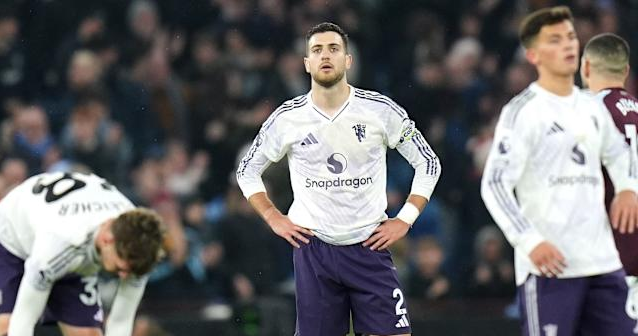
Manchester United’s recent fall in financial rankings is reflective of a confluence of factors that have adversely affected its overall performance. Chief among these is the club’s on-field performances, which have been underwhelming in recent seasons. A consistent lack of success in both domestic and European competitions, particularly the absence of Champions League football, has played a significant role in this decline. Competing in the prestigious tournament not only enhances a club’s visibility but also has a direct impact on club revenue, with significant financial rewards associated with participation.
Furthermore, the strategic commercial decisions made by the management have met with mixed results. While Manchester United has traditionally boasted lucrative sponsorship deals, recent endeavors have not yielded the anticipated financial return, leading to questions regarding the effectiveness of the current commercial strategies. The club’s ability to attract new sponsors and maintain enduring relationships with existing partners has become increasingly scrutinized.
Additionally, the club’s ownership structure and management decisions have drawn criticism from fans and analysts alike. Many observers believe that the strategic direction under the current ownership has not aligned well with the club’s storied legacy and potential. A perceived disconnect between management and the fanbase can influence public relations and, by extension, financial outcomes. Potential unrest among supporters can deter prospective sponsors and affect merchandise sales.
In conclusion, Manchester United’s decline in financial rankings is attributed to a multifaceted set of issues, ranging from poor on-field results and insufficient commercial returns to problematic management decisions. These factors combined pose significant challenges that the club must address moving forward to reclaim its standing within the global football community.
The Implications of a Lower Money League Ranking for the Future
The decline of Manchester United in the financial rankings, particularly as assessed by Deloitte, raises significant concerns regarding its future. A lower position in the Money League indicates dwindling club revenue, which can have several cascading effects on various facets of the club’s operations, including player acquisitions and sponsorship deals.
With a diminished financial standing, Manchester United may struggle to attract top-tier players. A club’s ability to secure high-profile talent often correlates with its financial clout. This dip in rank could deter potential signings who might favor clubs with greater monetary resources and exposure. Consequently, the club might be compelled to shift its focus towards developing youth players or pursuing undervalued talents, which, while beneficial in the long run, may not aid immediate competitiveness.
Furthermore, sponsorship deals often hinge on a club’s visibility and brand strength. Manchester United’s reduced financial stature might lead to decreased interest from existing sponsors and variegate potential collaborations with new partners. A significant decrease in club revenue can hinder marketing efforts, leading to lower merchandise sales and a lack of engagement with the global fan base.
The implications stretch beyond just financial constraints; they permeate into the club’s overall brand strategy and reputation. In an industry where visibility and prestige are paramount, maintaining a strong image is crucial. As Manchester United grapples with this financial downturn, club management must devise robust strategies to recover and reclaim its rightful position within the financial rankings. Strategies may include enhancing fan engagement initiatives, revising commercial practices, and focusing on sustainable development to bolster brand loyalty.
Thus, the pathway to recovery for Manchester United requires a multifaceted approach aimed at revitalizing its financial health and brand stature, fostering both on-pitch success and off-pitch stability.