

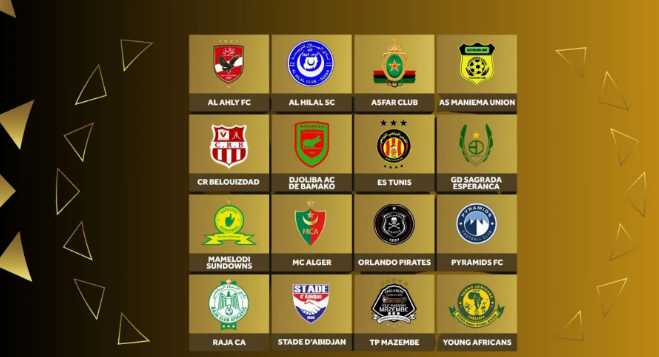
Introduction to CAF Club Competitions
The Confederation of African Football (CAF) Club Competitions represent a pivotal element in the landscape of African football, showcasing the continent’s rich sporting heritage. Established to foster competition amongst clubs, these tournaments provide a platform for teams to demonstrate their prowess on both regional and international stages. The CAF Champions League stands out as the premier tournament, attracting the top clubs from across Africa and generating unparalleled excitement among fans. Launched in 1964, this elite championship highlights the intensity and skill present in African club football, positioning itself among the continent’s most prestigious sporting events.
Complementing the Champions League is the CAF Confederation Cup, which serves as a secondary competition for clubs not qualifying for the more esteemed tournament. This structure not only increases participation but also enhances the overall level of club football in Africa, allowing lesser-known teams an opportunity to compete and gain recognition. These competitions are essential to the development of African football and play a crucial role in elevating local talent to international acclaim.
The significance of CAF club fixtures extends beyond the matches themselves, providing vital economic benefits and fostering community unity. Matchday events become celebratory occasions, uniting diverse fan bases and stimulating local businesses. Moreover, the visibility afforded by these tournaments enables clubs to scout talent and strengthens their ability to negotiate sponsorship deals and partnerships. The CAF Champions League and Confederation Cup, therefore, are not merely tournaments; they are vital components in the growth and professionalization of football throughout Africa, ultimately contributing to the global reputation of the continent’s clubs.
Current Season Updates and Highlights
The ongoing season of the CAF Champions League has been marked by thrilling encounters and surprising turns of events that have captured the attention of fans across the continent. As teams compete fiercely in this prestigious tournament, the excitement reaches an all-time high, particularly during matchday fixtures that showcase the best of African football. This season, several clubs have distinguished themselves, delivering impressive performances that have left spectators on the edge of their seats.
Among the standout teams this season, we have witnessed the resurgence of historical powerhouses, as well as the emergence of new contenders that promise to shake up the tournament landscape. Several matches have featured dramatic highlights, including come-from-behind victories and last-minute goals that exemplify the competitive spirit inherent in CAF club competitions.
One of the focal points this season has been the emergence of young talents making their mark in important fixtures. Rising stars from various clubs are not only showcasing their skills but are also becoming instrumental in their teams’ quests for glory. Their performances have added a fresh layer of excitement to the already vibrant atmosphere surrounding the games.
In terms of fan engagement, the electric atmosphere in stadiums across Africa has been palpable. Supporters have played a crucial role in creating a lively environment, celebrating milestones and cheering their teams fervently. Social media platforms have further amplified this engagement, allowing fans to share in the excitement of matchday experiences like never before. The combination of electrifying football action and passionate fan support underscores the appeal of the CAF Champions League as a premier competition in African football.
The Role of Clubs in Developing African Football
The participation of clubs in CAF Champions League and other club fixtures is pivotal for the development of football across Africa. These competitions not only enhance the competitive landscape of African football but also serve as a platform for financial growth and talent development. By engaging in CAF tournaments, clubs are exposed to a higher level of competition which, in turn, promotes the overall standard of the game in the continent.
Financially, clubs participating in the CAF Champions League can secure substantial revenue through sponsorships, television rights, and ticket sales, which enables them to invest further in their youth academies and facilities. This investment is crucial for nurturing local talent, as clubs are often the first places aspiring players get the opportunity to showcase their skills. Moreover, the visibility provided by matchday events helps scout new talents who may one day be called to represent their countries at an international level.
In addition to financial and talent considerations, clubs play a significant role in preparing national teams for international competitions. The rigorous environment of CAF competitions fosters a sense of teamwork and strategy that is vital for players in national colours. Experiences gained during club fixtures can translate to improved performance in international matches, making a stronger case for clubs as vital components of a country’s football infrastructure.
Furthermore, clubs can serve as stepping stones for players aiming to achieve their dreams of playing in international leagues. This progression not only elevates the players but also enhances the profile of African football on the global stage. The growing recognition of African talent in major leagues across Europe and beyond exemplifies the vital role clubs play, underscoring the importance of supporting and participating in CAF competitions to foster the continent’s football development.
Future Prospects and Challenges Ahead
The future of the CAF Champions League and other CAF club competitions presents a unique blend of challenges and opportunities. As African football continues to garner global attention, it faces several hurdles primarily linked to financial constraints. Many clubs struggle with inadequate funding, which hampers their ability to compete effectively both domestically and on the continental stage. A sustainable financial model is crucial for clubs to thrive and to attract top talent, ensuring that the quality of the competition does not diminish.
Additionally, administrative hurdles pose significant challenges. The governance structures within some national football associations may lack the efficiency needed to foster growth. Streamlined processes are necessary to enhance the organization of club fixtures and to ensure that matchday operations run smoothly. Improving the administrative frameworks can encourage more clubs to engage actively in CAF competitions, enriching the leagues with diverse talent and increased competitiveness.
On the other hand, the potential for growth within CAF competitions is substantial. As the popularity of African football increases, there is a growing interest from sponsors looking to invest in the sport. Increased sponsorship deals could provide much-needed financial support to clubs, allowing them to enhance their infrastructures and engage with fans more effectively. Moreover, the expansion of tournament formats could also serve to elevate the profile of African football, providing more clubs with the chance to compete internationally.
In conclusion, while the challenges facing CAF competitions are significant, there is a path forward that emphasizes both growth and sustainability. A concerted effort to enhance financial models, streamline administration, and expand tournament opportunities could transform the landscape of African football, ultimately benefiting clubs and fans alike.