

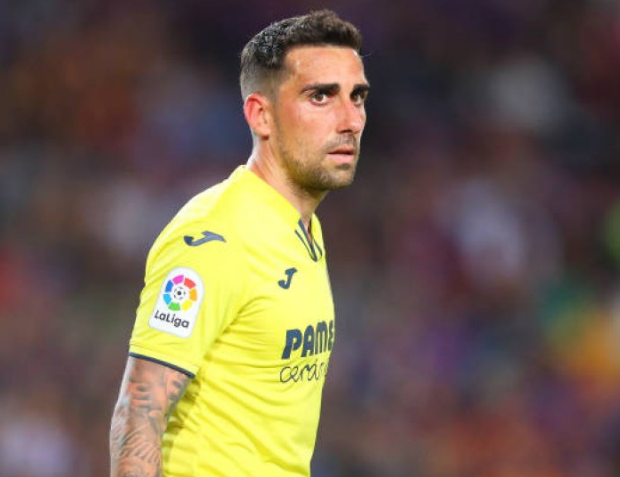
Introduction: The End of an Era
On a poignant note, Paco Alcácer has officially announced his retirement from professional football. This decision marks not only the end of a significant chapter in his life but also evokes a wave of emotions among fans and the broader football community. Alcácer, who once dazzled audiences with his remarkable skills on the pitch, made an indelible mark throughout his player career, gaining recognition especially during his tenure at clubs such as Valencia, Barcelona, and Borussia Dortmund.
The impact of such a retirement is profound. For supporters who have followed Alcácer from his breakout moments to his triumphant performances on various international stages, this announcement signifies a moment of reflection. His journey through various leagues not only highlights his evolution as a player but also serves as a reminder of the relentless passage of time in the world of sports. As one of the notable figures in recent Barcelona news, his contribution to the game will be remembered fondly by both admirers and peers alike.
Alcácer’s decision also resonates deeply within the football community. It opens discussions about the nature of football careers, the challenges athletes face, and the personal choices stemming from their experiences on and off the field. As fans, we recognize the tireless dedication that players like Alcácer exhibit over the years and the sacrifices they make. With every goal scored and every match played, fans developed a connection with him that now serves as a bittersweet reminder of his journey.
This reflective look back at Paco Alcácer’s significant contributions and experiences in football provides an opportunity to celebrate his achievements, while contemplating the legacy he leaves behind in the sport.
A Career in Review: Highlights and Achievements
Paco Alcácer, a prominent figure in Spanish football, has made significant contributions to the sport throughout his player career, culminating in his recent announcement of retirement. Known for his goal-scoring prowess, Alcácer began his professional journey at Valencia CF where he emerged as a key player. During his time at Valencia, he made 120 appearances and scored 43 goals, showcasing his ability to find the net in crucial matches.
Alcácer’s talent did not go unnoticed, leading to his transfer to FC Barcelona in 2016. Though his tenure at the club was challenging due to the intense competition for places, he still managed to register 15 goals in 50 matches. One of the highlights of his time in Barcelona was scoring a brace against Manchester City in the UEFA Champions League, helping the team secure a crucial victory. The Barcelona news of his goal-scoring impressed fans and solidified his reputation as a vital player, especially in European competitions.
Following his stint at Barcelona, Alcácer moved to Borussia Dortmund on loan, where he truly flourished. In a remarkable season, he recorded 18 goals in just 26 Bundesliga appearances, showcasing his exceptional finishing ability. His return to Spain saw him join Villarreal, where he continued to add to his impressive tally by consistently contributing goals in La Liga.
On the international stage, Alcácer represented the Spanish national team, earning multiple caps and participating in prestigious tournaments such as the UEFA European Championship. His memorable moments included scoring pivotal goals that contributed to Spain’s victories, and his striking partnership with other forwards brought excitement to the team’s attacking dynamics.
Overall, Alcácer’s football retirement marks the end of a commendable career characterized by notable achievements, unforgettable moments, and contributions to every club he graced, reminding fans of his impact on the beautiful game.
Challenges and Triumphs: The Journey of Paco Alcácer
Paco Alcácer’s football retirement marks the end of a career filled with both challenges and triumphs, reflecting the nature of professional sports at the highest level. Throughout his journey, Alcácer faced numerous obstacles, including injuries that threatened to derail his ambitions and intense competition within his teams. These hurdles tested his resilience and determination to succeed in the world of football.
In the early stages of his career, Alcácer encountered setbacks that forced him to grapple with self-doubt. During his time at Valencia, he struggled to maintain consistent performance levels, especially when other promising talents emerged as competitors for the same position. Nevertheless, Alcácer showcased remarkable perseverance. His determination was evident when he rebounded from a serious knee injury that sidelined him for critical periods, indicating his commitment to overcoming adversity.
Support from teammates and coaches played a crucial role in Alcácer’s journey. Notably, he built strong relationships with renowned figures in football who admired his work ethic and character. For instance, one of his former coaches described Alcácer as “a fighter,” emphasizing how he remained motivated even during challenging circumstances. His ability to collaborate effectively with teammates was highlighted during his time at Barcelona, where he learned to contribute to a star-studded lineup while developing his style of play.
Moreover, Alcácer’s experience in international competitions laid the foundation for his resilience. His participation in UEFA tournaments required him to adapt to high-pressure situations, further solidifying his tenacity on the pitch. As the football world reflects on his journey, it becomes evident that each challenge transformed into a stepping stone that not only defined his career but also underscored the spirit of a player who never backed down.
Paco Alcácer’s announcement of his football retirement marks the end of a notable player career that saw him grace top-tier clubs, most notably FC Barcelona, where he showcased his goal-scoring prowess and tactical intelligence. As fans, teammates, and analysts reflect on his contributions to the sport, Alcácer’s legacy will undoubtedly be remembered for his uncanny ability to make decisive impacts in critical matches. Although his time at Barcelona was brief, it was punctuated by significant achievements that highlighted his immense potential as a forward.
Looking ahead, there are several possibilities for Alcácer as he transitions away from professional play. With his in-depth understanding of the game, a potential foray into coaching cannot be ruled out. Several retired players find fulfillment guiding future generations, sharing their insights on technique, teamwork, and what it means to compete at the highest levels. Additionally, Alcácer could leverage his experiences in television punditry, providing analysis and commentary that could appeal to both ardent fans and casual viewers of football.
Alcácer’s retirement from football does not only signify the conclusion of his player career; it also opens doors for him in various endeavors beyond the pitch. The football community has expressed admiration and support for Alcácer, acknowledging his influence and contributions. Messages from fans and fellow athletes highlight the inspiration he has provided, not only with his talent but also with his dedication to the sport. His departure serves as a poignant reminder of the legacy that seasoned players leave behind, shaping the aspirations of emerging football talents. The journey of Paco Alcácer will certainly resonate within the realms of football, inspiring the next generation to pursue excellence both in their player careers and in whatever paths they choose beyond the game.