

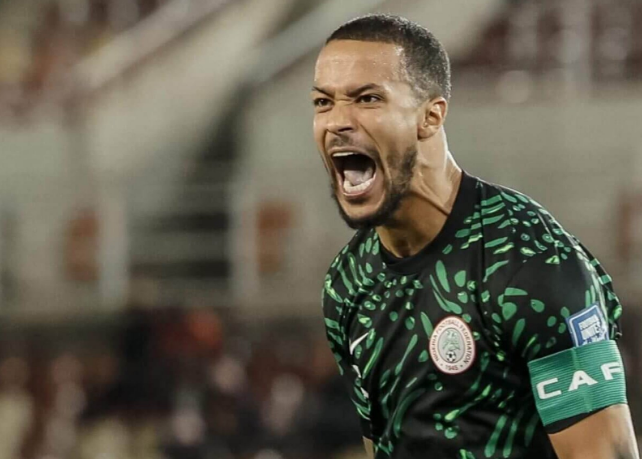
The Current State of Nigerian Football
Nigerian football currently faces numerous challenges that significantly hinder its growth and performance on both local and international stages. The recent World Cup failure of the Super Eagles serves as a stark reminder of these ongoing issues. Poor planning, ineffective coaching strategies, and a lack of proper player development programs have all contributed to the disappointing performance of the national team.
One critical factor affecting the quality of football in Nigeria is the present coaching landscape. Many coaches lack the necessary qualifications and exposure to modern tactical training. This deficiency inhibits the national teams and local clubs from adopting contemporary football methodologies, which are essential for thriving in today’s competitive environment. As a result, the tactical intelligence of the teams remains stagnant, limiting their performance potential.
Moreover, the management of the Nigerian Football Federation (NFF) has been under scrutiny due to allegations of mismanagement and lack of transparency. Effective administration is vital for the smooth operation of sporting organizations, but the NFF has often been criticized for its inability to sustain long-term planning and development strategies. Improved governance within the NFF is crucial to implementing reforms that can revitalize Nigerian football.
Funding remains another significant challenge within the Nigerian football system. Limited financial resources impede the ability to recruit qualified personnel, invest in training facilities, and support grassroots initiatives. Without adequate funding, the development of talent at the youth level suffers, leading to a decline in the quality of players emerging to represent Nigeria on the global stage.
In summary, addressing these issues, from coaching to management and funding, is imperative for overcoming the Nigeria football crisis. Concerted efforts and reforms are essential to facilitating a resurgence in the sport, ensuring that future generations of players can aspire to achieve success on international platforms.
Troost-Ekong’s Vision for Reform
William Troost-Ekong, the Nigerian national team captain, has emerged as a prominent voice advocating for comprehensive reforms in Nigerian football, particularly in light of the recent nigeria football crisis and the disappointing world cup failure. His vision seeks to address critical areas that require immediate attention to rejuvenate the Super Eagles and restore the nation’s footballing prestige.
One of Troost-Ekong’s primary focus areas is the improvement of grassroots football. He believes that cultivating talent from the ground up is essential for the long-term success of Nigerian football. By establishing better scouting systems and funding community clubs, more young players can be nurtured to compete at higher levels. Troost-Ekong argues that without strong grassroots programs, the future of the Super Eagles will remain uncertain, as the pipeline of talent diminishes.
Additionally, the enhancement of training facilities has become a cornerstone of Troost-Ekong’s reform agenda. He emphasizes the necessity for modern training centers where players can develop their skills in an optimal environment. Upgrading these facilities not only helps players become better athletes but also instills a professional culture that is often lacking in the current setup. This aspect of his vision could significantly bridge the gap between Nigeria and other footballing nations.
Furthermore, Troost-Ekong highlights the importance of effective governance within the Nigerian Football Federation (NFF). He advocates for transparency and accountability, arguing that good governance is vital to restore trust among players and fans alike. By implementing structured reforms in the NFF, Troost-Ekong believes that the federation can better manage resources, resulting in enhanced support for both players and coaches.
In conclusion, as Troost-Ekong calls for these reforms, his personal experiences and dedication to the sport fuel his commitment to transforming Nigerian football. Through improved grassroots initiatives, better facilities, and stronger governance, the path to revitalizing the Super Eagles appears increasingly attainable.
The Role of Stakeholders in Reforming Football
In addressing the nigeria football crisis, it is imperative to highlight the pivotal roles played by various stakeholders, including government bodies, the Nigerian Football Federation (NFF), clubs, and fans. Each group has its own set of responsibilities that contribute to the overall improvement of Nigerian football, particularly following the World Cup failure that has prompted calls for urgent and effective change.
The Nigerian government is a key stakeholder that can influence the direction of football in the country through the establishment of supportive policies, funding allocations, and infrastructure development. By creating an environment conducive for growth, the government can help facilitate the reforms suggested by players like William Troost-Ekong, ensuring that systems are in place to introduce best practices both on and off the field.
On the other hand, the NFF must take the lead in operationalizing these reforms through effective governance. A transparent leadership model within the federation is crucial to regaining the trust of fans and stakeholders alike. By addressing past managerial issues, the NFF can work towards enhancing the overall performance of the Super Eagles and other national teams.
Clubs also play a vital role, as they are the foundational units that nurture young talents. By collaborating with the NFF and government bodies, clubs can ensure the implementation of developmental programs aimed at improving the quality of players and coaching staff. Additionally, local clubs need to foster stronger community ties to increase fan engagement and support.
Lastly, the fans are often the heartbeat of football. By voicing their concerns and preferences, they can influence decisions that affect the game. A united front among supporters can propel discussions on reform, creating a pressure system that demands accountability from all stakeholders involved. Together, a collaborative effort among these entities can significantly contribute to a healthier football ecosystem and a more competitive sports environment in Nigeria.
Success Stories and Lessons from Other Nations
In examining the Nigeria football crisis, it proves beneficial to consider the success stories and experiences of other nations that have effectively reformed their football systems. Notable examples include Germany and South Korea, countries that once faced significant challenges yet managed to transform their football landscapes into beacons of success.
Germany’s football renaissance is largely attributed to systematic investment in youth programs and the establishment of professional leagues. Following a disappointing performance in the 2000 UEFA European Championship, the German Football Association (DFB) undertook radical reforms aimed at improving their national team, the Die Mannschaft. This included developing academies focused on nurturing young talent and ensuring competitive structures that fostered skill and professionalism. Less than a decade later, their efforts bore fruit when Germany won the FIFA World Cup in 2014, showcasing the outcomes possible through strategic reform.
Similarly, South Korea provides another relevant case study. Following their performance at the 2002 World Cup, which galvanized national pride, South Korea invested heavily in administrative efficiency and infrastructure improvements. Initiating grassroots programs and fostering a talent identification system allowed the country to tap into and develop football potential at a young age. The K League 1, South Korea’s top-tier professional league, further contributed to enhancing the competitiveness of local clubs, ultimately strengthening the national team’s stature on the global stage.
For Nigeria, embracing these lessons becomes crucial, especially in light of the recent World Cup failure and the continuing NFF reform discussions. By investing more in youth development and establishing a robust professional framework for the Super Eagles, the Nigeria Football Federation could leverage pathways to success modeled after these successful nations. Understanding the strategies that have led to successful reforms can guide Nigeria in navigating its current challenges and revitalizing its football aspirations.