

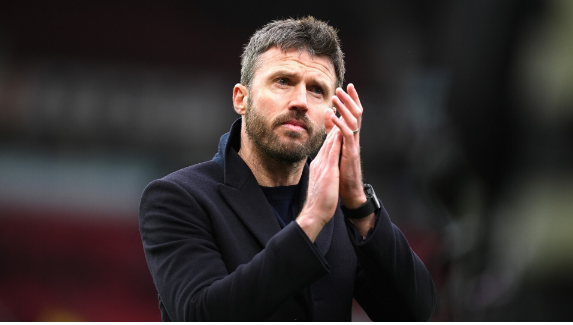
Current Situation at Manchester United
Manchester United is currently navigating a complex phase in the English Premier League (EPL). Following the departure of the previous manager, the club has experienced a tumultuous transition, characterized by fluctuations in performance and morale among the players. The inconsistency in results has raised concerns amongst fans and analysts alike regarding the team’s competitive edge. The squad’s performance on the pitch has been marred by several underwhelming displays, prompting questions about the effectiveness of the coaching staff and the direction in which the club is headed.
In recent outings, Manchester United has struggled to convert opportunities into goals, which has been detrimental to their standing in the league. The players seem to be grappling with a lack of confidence, with their morale visibly affected by the team’s struggles. The absence of a solid managerial approach has contributed to this state of uncertainty, leading to discussions about potential successors, including Michael Carrick. His temporary appointment as the caretaker manager has sparked interest and generated a mixed response from supporters and pundits.
While Carrick has been praised for his tactical understanding and connection with the players, the overarching question remains whether he possesses the requisite experience and vision to lead Manchester United back to the upper echelons of the EPL. Under his guidance, there’s potential for improvements, but there is equal concern about the challenges he may face during this pivotal period. The club’s hierarchy must weigh the risks of retaining a caretaker in a long-term capacity versus seeking a more experienced manager, all while keeping in mind the critical need to stabilize the team’s performance and restore faith within the fanbase.
Michael Carrick: A Brief Background
Michael Carrick’s journey with Manchester United is a notable saga, as he transitioned from a prominent player to a key figure in management. Carrick joined the club in 2006 from West Ham United, quickly becoming a crucial part of the team. Throughout his playing career, he helped Manchester United secure several prestigious titles, including five Premier League championships and the UEFA Champions League in 2008. Carrick was known for his exceptional passing ability and tactical intelligence on the field, traits that would later inform his managerial approach.
After retiring as a player in 2018, Carrick took on the role of part of United’s coaching staff, serving under various managers. His deep understanding of the game and the club’s culture allowed him to develop his coaching philosophy, emphasizing a possession-based style and disciplined defensive organization. After a tumultuous managerial period under Ole Gunnar Solskjær, Carrick assumed the role of interim manager in November 2021, during which he showcased his capacity to lead under pressure.
During his short stint as caretaker manager, Carrick guided Manchester United to a vital Champions League victory against Villarreal and an EPL draw against Chelsea, showcasing his ability to motivate players and adapt tactics effectively. His leadership was marked by a focus on unity within the squad, while also instilling a sense of resilience among the players. Although he received praise for his interim management, Carrick’s future as the permanent manager remains uncertain, as the club seeks to establish long-term stability. His time at Manchester United has undoubtedly equipped him with valuable experiences that could shape his future in management.
The Pros and Cons of Appointing Carrick as Permanent Manager
The potential appointment of Michael Carrick as Manchester United’s permanent manager presents various advantages and disadvantages. One significant pro is the robust support he enjoys from both players and fans alike. Carrick’s rapport with the squad, built during his tenure as a player and coach, provides a unique understanding of the team’s dynamics that a new manager may not possess. This familiarity could translate into improved morale and performance on the pitch as they navigate the challenging landscape of the English Premier League (EPL).
Furthermore, Carrick has demonstrated a tactical approach that aligns well with Manchester United’s rich history. His game strategies, influenced by his experiences under former managers, could help instill a more cohesive playing style, aiming for greater consistency in results. The positive reception of his interim management phase, which has showcased flashes of tactical acumen, further adds weight to the argument for his permanent appointment.
However, there are notable cons to consider. One of the primary concerns revolves around Carrick’s relative inexperience in high-pressure management situations. While he has garnered some experience during his time with the club, critics argue this might be insufficient compared to other seasoned candidates with a proven track record. Potential candidates may possess an extensive background in managing at top-level clubs, thus making Carrick’s lack of such experience a contrasting factor.
Additionally, the pressure of competing in the EPL cannot be understated. Manchester United is a club with towering expectations, and the challenges Carrick faces may become exacerbated as the season progresses. The balance between fan and player support against the need for tactical expertise and managerial experience sets up a complex decision-making landscape regarding Carrick’s future as United’s manager.
Potential Future Scenarios for Manchester United
The future of Manchester United and the prospects for Michael Carrick as manager are inherently intertwined with the decisions made by the club’s hierarchy. As the current situation unfolds, several scenarios may emerge, each with distinct implications for the team and Carrick’s career.
If Manchester United opts to keep Carrick in the managerial role for a longer term, the club may experience a phase of stability. This steady leadership could foster an environment conducive to developing young talent and establishing a coherent playing philosophy. With Carrick’s prior experience as a player at United, his intimate understanding of the club’s culture could help in reinforcing team cohesion, a vital aspect needed to succeed within the highly competitive EPL landscape.
Conversely, should the club choose to dismiss Carrick, the impacts could be profound. An abrupt managerial change might lead to a discontented squad while disrupting established strategies. New leadership often comes with a different vision and tactical approach, which may require additional time for players to adapt. The recruitment strategies might also shift, as a new manager may seek to bring in players that align with their philosophy, thus affecting both the short and long-term planning for Manchester United.
Additionally, the outcome of these decisions will heavily influence the club’s performance in the current season. A decisive managerial approach could reinvigorate the team, potentially yielding a burst of positive results in the EPL. However, if internal conflict arises during this transitional phase, the performance may further suffer, thus compounding the uncertainties surrounding Carrick’s future.
Ultimately, the direction in which Manchester United moves regarding Carrick’s position as a manager will be crucial in shaping not only the remainder of the season but also the club’s long-term future. The choices made during this critical juncture will resonate throughout the club for years to come.