

Overview of Transfer Market Dynamics
The transfer market plays a pivotal role in the landscape of the Bundesliga and global football, serving as a platform where clubs acquire new talent to enhance their squad. The dynamics within this market greatly influence the strategies of major teams, including FC Bayern Munich, as they seek to maintain their competitive edge. The process of football transfers involves evaluating various factors such as player performance, market demand, and the strategic fit within a club’s existing framework.
Top clubs like FC Bayern Munich meticulously analyze numerous players before making transfer decisions. This evaluation is often based on a comprehensive assessment of each player’s statistics, their contributions to previous teams, and potential to adapt to the club’s style of play. In an era where the financial implications of transfers can significantly impact a club’s budget, successful acquisitions require a calculated approach. The significance of successful transfer dealings cannot be underestimated, as they can make or break the fortunes of a club during a season.
The current transfer market is characterized by heightened competition, where clubs are competing not only for elite talent but also for emerging prospects who may evolve into superstars. For FC Bayern Munich, tapping into this market effectively is essential, as they aim to strengthen their title challenge in the Bundesliga. In this context, the pursuit of players like Dušan Vlahović and Charles De Ketelaere reflects the ambition of top clubs to invest strategically in individuals who can elevate the squad and solidify their position as leading contenders for domestic and European honors.
FC Bayern Munich’s Transfer Strategy
FC Bayern Munich, one of the most successful clubs in the Bundesliga, has a well-defined transfer strategy that reflects its ambition to maintain its dominance in German football and to compete at the highest levels in Europe. The club’s approach to the transfer market involves thorough scouting and evaluation processes to identify potential targets that align with the club’s playing philosophy and future objectives.
When scouting players such as Dušan Vlahović and Charles De Ketelaere, Bayern Munich focuses on statistics, performance metrics, and potential fit within the team structure. This involves analyzing data from multiple seasons, examining player development, and assessing their current performance against league standards. Bayern’s scouting network utilizes advanced analytics to ensure that the players identified can contribute effectively to their campaign in both domestic and European competitions.
Financial considerations are also paramount in Bayern’s decision-making process. The club operates under a sustainable financial model which ensures that transfer activities are conducted without compromising its long-term financial health. When evaluating a player, Bayern assesses not only the transfer fee but also the salary expectations and potential resale value. This strategic financial management allows the club to invest wisely in talent that can elevate its standing in the football transfer landscape.
Moreover, Bayern Munich’s history of nurturing talent means that they often look for players who can grow and develop within the club’s environment. This strategy not only fosters a strong team squad but also creates a sense of loyalty and identity among players. Dušan Vlahović and Charles De Ketelaere, both young and dynamic forwards, represent the type of player that Bayern Munich is keen to integrate into its roster to ensure continued success in the Bundesliga and beyond.
Player Profiles: Dušan Vlahović and Charles De Ketelaere
Dušan Vlahović, a Serbian striker currently playing for Juventus, has made significant waves in the transfer market in recent seasons. Known for his powerful striking ability and quickness on the ball, Vlahović transitioned from Fiorentina in January 2022, where he had already established himself as one of Serie A’s top talents. His proficiency in front of goal, combined with a physical presence, makes him an ideal fit for a club like Bayern Munich, who are looking to bolster their attacking options in the Bundesliga. At just 23 years old, he has already demonstrated an impressive scoring record, with a knack for finding the net under pressure. Vlahović’s ability to combine play effectively with his teammates and strike from distance adds layers to his attacking prowess, aligning well with Bayern’s dynamic style of play.
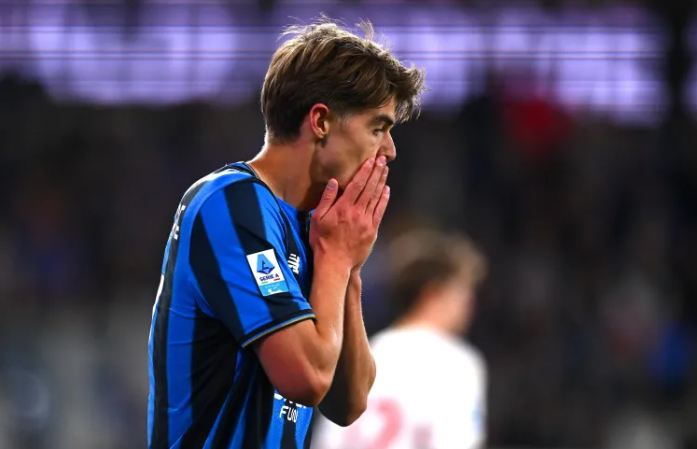
On the other hand, Charles De Ketelaere, a Belgian attacking midfielder, has emerged as a prominent prospect who currently plays for AC Milan. His versatility allows him to operate effectively across various positions in the forward line, which is a valuable asset in the fluid tactical system employed by Bayern Munich. At just 22, De Ketelaere has shown remarkable creativity, ball control, and vision, contributing significantly to his team’s attacking phases. His understanding of space and ability to link up with strikers can enhance Bayern’s offensive strategy, particularly during transitional phases. De Ketelaere’s recent performances in Serie A highlight his potential, especially in high-stakes matches, making him a strong contender for a transfer aimed at enriching Bayern’s squad depth.
If Bayern Munich secures either Vlahović or De Ketelaere, they would not only bring raw talent to the squad but also fit seamlessly into the club’s tactical methodologies, paving the way for a successful campaign in both domestic and European competitions.
Challenges and Opportunities in the Transfer Pursuit
FC Bayern Munich’s ambitions in the transfer market are often met with both significant challenges and exciting opportunities, particularly in their pursuit of high-potential talents like Dušan Vlahović and Charles De Ketelaere. The quest to secure these players involves navigating a complex landscape, influenced by a range of factors including contract situations, club competition, and market valuations.
One of the foremost challenges comes from the fierce competition within the Bundesliga and from top clubs across Europe. Bayern Munich, while a formidable entity in the league, faces rivals who are equally keen on enhancing their squads through football transfers. This competition can drive up player prices and make negotiations more arduous, potentially complicating Bayern’s efforts to land Vlahović or De Ketelaere. Other clubs may offer lucrative packages or promote enticing projects that could sway these players away from Munich.
Moreover, the existing contracts of Vlahović and De Ketelaere pose a significant hurdle. If either player is already tied to long-term deals, clubs will be less inclined to release them without substantial financial incentives. Bayern’s strategy in the transfer market will also need to be aligned with the club’s financial guidelines, especially as the impact of recent global events continues to affect player valuations.
Conversely, the opportunity lies in Bayern Munich’s reputation and history of success, which can be a persuasive factor for players considering their futures. The club’s established infrastructure, competitive environment, and commitment to winning can entice players to join. Additionally, with an ongoing emphasis on rejuvenating and developing their squad, securing young talents like Vlahović and De Ketelaere could significantly contribute to the club’s long-term aspirations in the Bundesliga and beyond.