

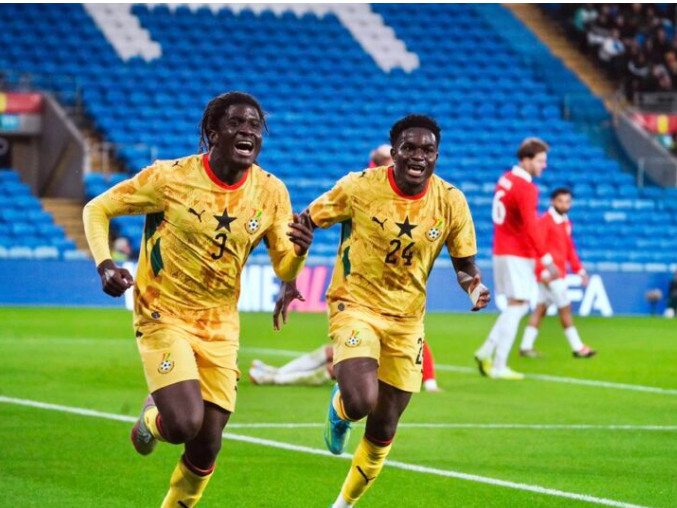
The Evolution of Ghanaian Football
The landscape of Ghanaian football has undergone significant transformations over the decades, characterized by periods of remarkable success and challenging times. Historically, Ghana emerged as a formidable force in African football, with the national team, the Black Stars, achieving notable milestones such as winning the Africa Cup of Nations four times. This rich legacy laid the groundwork for a vibrant football culture that continues to evolve.
In recent years, however, Ghanaian football has faced various hurdles. The performance levels of national teams have fluctuated, raising questions about their readiness for international competitions. Amidst this backdrop, the appointment of coach Carlos Queiroz has ignited a renewed sense of hope within the Ghanaian football community. Known for his tactical acumen and experience with various national teams, Queiroz has been entrusted with the critical task of steering Ghana through its World Cup preparation.
The recent draw against Wales marks a significant moment in Ghana’s journey under Queiroz. While the result may have been seen as a setback by some, it demonstrates the potential for growth and adaptability the team is aiming to embody as they gear up for more challenging fixtures. As the world watches the Black Stars, the focus on integrating Queiroz’s strategies has become paramount. The team is working tirelessly to build synergy and cohesiveness that are essential for success on the world stage.
The upcoming World Cup represents a pivotal opportunity for Ghana to solidify its presence in international football. With Queiroz at the helm, there is a burgeoning belief that the Black Stars can navigate their way through the competitive landscape, embracing both the challenges and the promises of upcoming matches. As Ghana football news continues to evolve, it is evident that the country is on a path to reclaim its status among the elite in global football.
Analyzing the Wales Match: Key Takeaways
The recent encounter between Ghana and Wales showcased the tactical acumen of Carlos Queiroz as he aimed to refine Ghana’s approach ahead of the World Cup. The match, which ended in a draw, offered a wealth of insights regarding the team’s capabilities and areas that require enhancement. Notably, Queiroz employed a well-disciplined formation that accentuated both defensive solidity and attacking potential, reflecting his experience and forward-thinking philosophy.
A standout feature of the game was Ghana’s midfield organization, which allowed them to dominate possession for significant stretches. Players seemed to adapt well to Queiroz’s instructions, with midfielders linking play effectively and creating chances in the final third. Otto Addo, for instance, emerged as a particularly influential figure, orchestrating Ghana’s attacking sequences and demonstrating his ability to transition from defense to attack seamlessly. His performance highlighted the potential that the Black Stars possess going into the World Cup preparations.
However, the match also revealed some critical areas for improvement. While the team’s intent was commendable, the finishing lacked the polish required to convert opportunities into goals. Additionally, defensive lapses at crucial moments allowed Wales to capitalize, underscoring the necessity for Queiroz to instill greater composure and discipline within the backline. Addressing these vulnerabilities will be essential as Ghana gears up for the World Cup.
In terms of individual performances, players like Jordan Ayew and Kamaldeen Sulemana showcased their flair and determination, asserting themselves as vital components of the team’s attacking blueprint. The strategic analysis of this match not only serves as a building block for team cohesion but also provides a glimpse into the shaping of a formidable squad under Queiroz’s leadership, particularly as Ghana eyes an impactful showing during the upcoming World Cup.
Future Prospects: What Lies Ahead for Ghana
As Ghana continues its journey in international football, the tenure of Carlos Queiroz represents a pivotal phase in the nation’s quest for excellence on the global stage. The recent draw against Wales highlighted both the strengths and areas for improvement within the squad, setting the tone for future matches. With the ongoing Ghana World Cup preparation, the importance of strategic planning and execution in upcoming fixtures cannot be overstated.
One of the critical aspects of Ghana’s football future under Queiroz is the potential for squad development. His experience and tactical acumen bring a wealth of knowledge that can help nurture young talents while reinforcing the capabilities of established players. The upcoming matches will serve not just as competitive engagements but also as vital opportunities for experimentation and growth. Players who showcase their skills in friendlies may establish themselves as key figures in crucial competitions, thus enhancing the team’s overall depth and versatility.
Moreover, the draw against Wales could act as a catalyst for the team to build upon its strengths, addressing shortcomings identified during the match. Ghana’s coaching staff will likely analyze key moments to refine tactics and improve performance in future encounters. This ongoing evaluation will be critical as the national team approaches significant tournaments where the stakes will be higher.
Ultimately, the road ahead for Ghana under the guidance of Carlos Queiroz appears promising. Harnessing the insights gained from recent fixtures like the Wales-Ghana match will be essential. By focusing on squad cohesion and tapping into the rich talent pool available, Ghana can aspire to make a significant impact in international competitions, thus reaffirming its position as a formidable contender in African football.
Conclusion: The Path Forward for Ghanaian Football
The recent draw against Wales has infused a sense of optimism among the Ghanaian football community, reflecting the positive direction under the management of Carlos Queiroz. His approach emphasizes structured gameplay and tactical discipline, elements necessary for the team’s development as they prepare for the World Cup. The performance displayed during the match showcased potential growth, revealing that with Queiroz at the helm, Ghana can evolve into a more competitive force on the international stage.
As Ghana Football news reports highlight, this draw could serve as a pivotal moment for the national team. The ongoing preparation for the World Cup will benefit from the insights gained during crucial matches like this one. With a focus on teamwork and cohesive functionality, the team can take valuable lessons from the Wales-Ghana match and apply them moving forward. Identifying weaknesses and enhancing strengths will be crucial in the lead-up to international competitions.
Moreover, the visible commitment and resilience displayed by the players under Queiroz’s guidance are promising indicators for the future. His ability to foster a competitive spirit while maintaining unity within the squad could catalyze significant improvements in their performance. As Ghana football anticipates upcoming matches, including qualifiers and the World Cup itself, there is an emerging sense of collective belief that this team has the potential to excel. As they gear up for these challenges, maintaining focus on tactical execution and adaptability will be essential.
In conclusion, the Ghanaian national team’s prospects appear bright under Carlos Queiroz, laying a firm foundation for their ambition to achieve success on the world stage. By building on the momentum from the Wales match, Ghana can establish itself as a formidable contender in future international tournaments.