

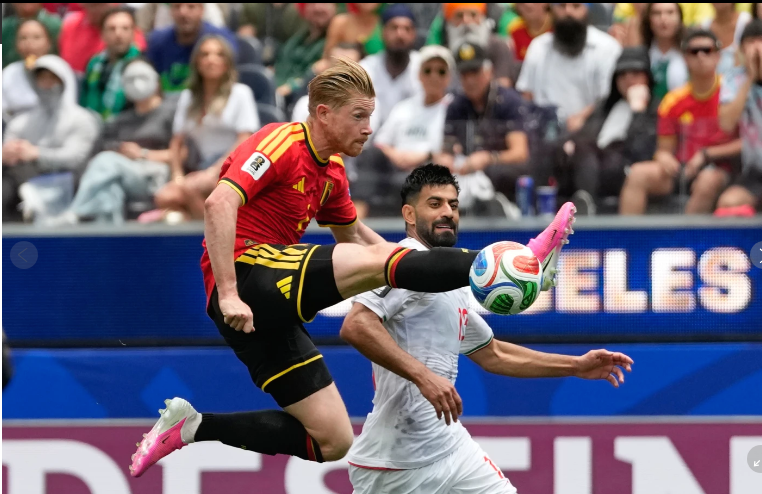
Overview of the Match Against Iran
The recent encounter between Belgium and Iran in the World Cup proved to be a tightly contested match, reflecting the tactical evolution of both teams as they approached this crucial game. The match ended in a 1-1 draw, leaving Belgium in a precarious position within Group G standings, highlighting their ongoing struggles on football’s grand stage.
Belgium entered the match with significant expectations, given their history in international football, yet faced challenges from a well-organized Iranian side. Jérémy Doku was particularly notable for his pace and skill on the wing, providing a constant threat to the Iranian defense. His ability to penetrate the opposing back line created multiple scoring opportunities, yet, he was unable to convert any into goals.
The opening exchanges showed Belgium’s intent to dominate possession, aiming to break down the Iranian defense with a series of intricate passes. However, Iran’s defensive structure was robust, effectively neutralizing Belgium’s attacking threats. As the match progressed, Belgium managed to take the lead in the first half, with a well-placed shot from a corner, which sparked hopes of a much-needed victory.
Despite the early goal, Belgium struggled to maintain their lead, allowing Iran to capitalize on a counterattack which levelled the score shortly into the second half. This development shifted the momentum of the match, leading to increased pressure on the Belgian side. The atmosphere in the stadium was charged, with each team’s supporters creating an intense backdrop against the tension of the match.
Tactically, Belgium’s strategy appeared to falter as they tried to reclaim their advantage, leading to a more open game. In the end, the match resulted in a disappointing draw for Belgium, leaving spectators questioning their prospects as the World Cup progresses, and intensifying the scrutiny on their upcoming games against stronger opponents in Group G.
Impact on Team Morale and Fan Sentiment
The recent draw between Belgium and Iran has raised significant concerns regarding the morale of the Belgian national team as they prepare for the ongoing World Cup. This result not only hampers Belgium’s standing in the group G standings but also places considerable psychological pressure on the players. Initially viewed as a team with championship potential, the draw may have dented the confidence of the squad, making subsequent performances more critical.
Players like Jérémy Doku, who had been anticipated to shine on such a grand stage, might feel the weight of expectation more heavily after a result that fails to meet fan aspirations. The lack of victory against Iran has led to discussions about potential adjustments in strategy and player selection, further emphasizing the need for cohesiveness within the team. As players reflect on their performances, uncertainty regarding their abilities may create tension within the dressing room.
Moreover, fan sentiment is also a crucial aspect to consider. Supporters were counting on a decisive performance to bolster their hopes for a successful World Cup run. The draw has elicited feelings of disappointment, with many voicing their concerns over the team’s lack of attacking prowess during the match. Comments from fans on social media platforms reflect a blend of frustration and cautious optimism, as they express their belief in the team’s potential to overcome this hurdle. In light of this emotional response, the coaching staff may need to focus not only on tactical strategies but also on restoring faith among players and fans alike.
As Belgium moves forward in the tournament, it will be vital for both players and coaches to embrace the challenge of rebuilding confidence. Given that they remain a formidable team, the focus will inevitably shift towards how they can regroup and channel the collective disappointment into a revitalized pursuit of success in the upcoming matches.
Strategic Analysis: What Went Wrong for Belgium?
In their recent match against Iran, Belgium’s World Cup ambitions faced significant hurdles, manifesting in both tactical and strategic shortcomings. The coach’s pre-match rationale for the chosen formation, which primarily focused on balancing both attack and defense, did not translate effectively onto the pitch. This tactical misalignment became evident as Belgium struggled to break through Iran’s defensive lines throughout the match.
One notable aspect of the game was the underwhelming performance by players, particularly Jérémy Doku, whose key role in leading offensive plays failed to make the expected impact. While Doku’s speed and skill are well-known, he was often sidelined due to a lack of support from midfielders who were either too cautious or disconnected from the pace of the forward line. This lack of cohesion severely hindered Belgium’s ability to mount an effective challenge against a resolute Iranian defense.
Additionally, the placement of players within the formation did not allow for dynamic transitions, which are essential in high-stakes matches, such as the World Cup. The limitations in midfield creativity left Belgium exposed, making it easy for Iran to retain possession and control the tempo. A reconsideration of player roles is critical for upcoming games; for instance, integrating more agile midfield options could counterbalance the physical presence needed against competitive opponents.
Moreover, the group G standings were further complicated by this draw, placing additional pressure on Belgium to rethink their strategy moving forward. Incorporating more adaptive tactics and encouraging players to seamlessly interchange roles may serve to enhance their performance. Overall, the results against Iran reflect a pressing need for Belgium to reassess their approach as they aim to secure a more favorable outcome in the World Cup.
Looking Ahead: Next Steps for Belgium
Following the disappointing draw against Iran, the Belgium national football team must quickly regroup and reassess its approach in order to salvage their World Cup campaign. Many analysts have expressed concern over the effectiveness of the current lineup, particularly in critical positions where player performance has waned. The lack of goal-scoring opportunities against Iran highlights the necessity for potential lineup changes. Promising young talent Jérémy Doku, known for his speed and agility, could be one candidate to inject a fresh dynamic into the attacking third.
Moreover, it is essential for the coaching staff to prioritize training focus on effective strategies that capitalize on Belgium’s strengths. Emphasizing ball control and precision passing will be crucial as they prepare for their next fixture in the group stage. The group G standings indicate that every match is vital; thus, Belgium must secure a win to maintain any realistic chance of advancing in the tournament. Some expert opinions suggest that a shift to a more aggressive formation might be beneficial, tapping into the full potential of players to create chances and convert them effectively.
Looking ahead, Belgium’s scheduling permits some time for intensive preparation before facing their next opponent. The team should take advantage of this moment to not only refine their tactical execution but also to boost team morale. Predictions from sports analysts vary, but optimism remains that if Belgium can recalibrate their focus and resolve, they still have the capability to challenge not just for advancement from the group but potentially contend deeper into the tournament. The road ahead may prove challenging, but with strategic adjustments, Belgium’s World Cup destiny is still within reach.