

Understanding AFCON and Its Global Significance
The Africa Cup of Nations (AFCON) stands as a pivotal tournament in the landscape of international football, symbolizing the continent’s rich footballing heritage. Established in 1957, AFCON serves as the premier competition for national teams across Africa, showcasing diverse talents and fostering an environment of national pride and solidarity. Over the years, the tournament has not only contributed to the development of African football but also positioned itself as a crucial component of the global football calendar, attracting attention from fans and scouts alike, and underlining its significance in the broader context of global sports.
AFCON presents a platform for emerging and established talents from Africa to shine on an international stage. Players like Didier Drogba, Samuel Eto’o, and Mohamed Salah have utilized this tournament to highlight their skills, which subsequently leads to opportunities in prestigious leagues worldwide. The tournament not only promotes individual talent but also nurtures a sense of camaraderie and competition among participating nations, enabling them to gain invaluable experience that is essential for enhancing their standings in the footballing hierarchy.
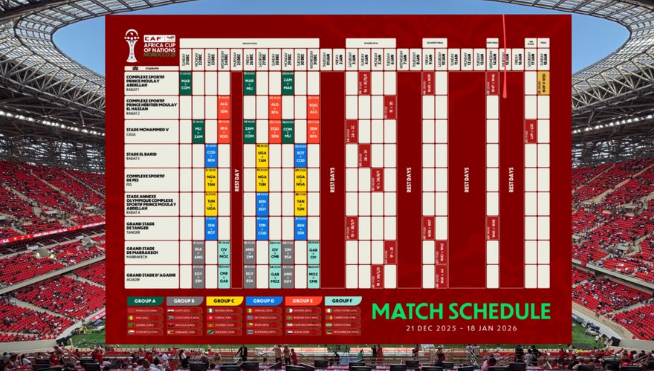
However, the scheduling of AFCON presents a multifaceted issue within the broader context of football politics. Traditionally held every two years, the tournament often intersects with key fixtures in other global competitions, resulting in fixture congestion for players who participate at both club and national levels. Consequently, this leads to discussions within the Confederation of African Football (CAF) about the challenges stemming from CAF issues and how these challenges might marginalize the significance of AFCON in the eyes of international clubs and federations. The recent decision to hold AFCON 2025 in a different season raises questions about its global relevance and its adaptability in an ever-evolving international football calendar.
Implications of a Global Football Calendar on AFCON 2025
The evolving global football calendar poses significant challenges for the Africa Cup of Nations (AFCON) 2025, particularly in the context of fixture congestion. The increasing overlap of domestic leagues, international matches, and major tournaments complicates scheduling, potentially undermining the tournament’s visibility and overall viability. Consequently, national teams often struggle to field their strongest line-ups due to their players’ commitments to various clubs across the globe. Such conflicts can lead to compromised team performance, with players possibly prioritizing club duties over national representation.
Additionally, the situation is exacerbated by CAF issues relating to the scheduling of other African tournaments. The interleaving of the Africa Nations Championship (CHAN) and various qualifying events for other competitions can also strain resources and attention. The decision to host AFCON in January—a time when European and other leagues are in full swing—augments the difficulties for teams as they navigate player availability. As a result, smaller nations, which traditionally struggle to compete with more established footballing countries, may find themselves at a distinct disadvantage.
To navigate the challenges presented by the football politics of a global calendar, various stakeholders must engage in dialogue and collaboration. Proposals could include revisiting the scheduling of AFCON, ensuring that it aligns more effectively with the international football framework. Additionally, there should be a focus on promoting the tournament at the club level, which could encourage clubs to support their players’ participation in the competition. By recognizing the pressing need for adjustments, African football governing bodies can work toward a more accommodating environment for AFCON 2025, thereby enhancing its status and competitiveness on the world stage.
The Response from African Football Authorities and Stakeholders
In light of the ongoing challenges posed by the global football calendar, African football authorities have recognized the need for a proactive approach to secure optimal scheduling for AFCON 2025. The Confederation of African Football (CAF), alongside national federations and other stakeholders, has initiated various strategies aimed at mitigating the impact of fixture congestion while enhancing the competitiveness of African teams on the world stage.
One of the foremost initiatives has been the establishment of a dedicated task force that focuses specifically on addressing CAF issues linked to the global calendar. This task force comprises representatives from national football associations, top managers, and players, allowing for a comprehensive dialogue that captures a wide range of perspectives. Their primary goal is to negotiate with FIFA and major football leagues globally to ensure that African players are granted sufficient release times during international fixtures, thereby easing the burden of fixture congestion.
Additionally, CAF has been pushing for a more standardized approach to scheduling across African nation leagues, which often suffer from inconsistency and overlapping matches. By harmonizing these schedules, CAF aims to facilitate a more coherent pathway for player availability ahead of AFCON 2025. This includes implementing a protected window for international matches and AFCON preparation activities, thereby minimizing disruptions that currently arise from domestic league commitments.
Insights from prominent figures within African football have underscored the importance of collaboration among stakeholders. Many have asserted that while the challenge of football politics may complicate negotiations, a united front can propel African football to greater heights. Overall, the concerted efforts of CAF and its partners reflect an earnest commitment to overcoming obstacles, ensuring that AFCON 2025 can be a resounding success, showcasing the rich talent of African football amidst the backdrop of a demanding global calendar.
Looking Ahead: The Future of AFCON in a Globalized Football World
The Africa Cup of Nations (AFCON) stands at a pivotal crossroads as it seeks to carve out its identity within the increasingly interconnected realm of global football. As continental tournaments grapple with the complexities of football politics and fixture congestion, AFCON must not only adapt but also innovate to maintain its significance on the world stage. The past few decades have witnessed shifts in scheduling, broadcasting rights, and player availability, with CAF issues becoming a point of contention among stakeholders. These challenges pose critical questions: will AFCON manage to retain its authenticity while navigating the demands of a global calendar?
Looking ahead, one scenario points to the possibility of increased participation from international players, thus enhancing the quality and competitiveness of the tournament. By attracting talent from diverse leagues, AFCON could elevate its status, thereby enticing greater viewership and sponsorship deals. In contrast, there lies the risk of dilution if prioritizing inclusivity leads to diminished local representation. This delicate balance must be navigated carefully to ensure that the cultural richness of AFCON remains intact, empowering local players and fostering a unique sporting identity.
Moreover, leveraging the tournament’s rich heritage can provide a framework for innovation. Digital technology and social media present unique opportunities to engage younger audiences by creating interactive experiences that resonate on a global scale. The enhancement of fan engagement through virtual reality, behind-the-scenes content, and community initiatives is essential in strengthening AFCON’s presence and relevance. In this regard, AFCON can capitalize on its unique cultural significance, reminding the world that it is not merely another tournament but a celebration of African unity and pride.
Overall, as AFCON anticipates its future within a globalized football context, embracing change while honoring its roots will be crucial for its continued success in a rapidly evolving landscape.