

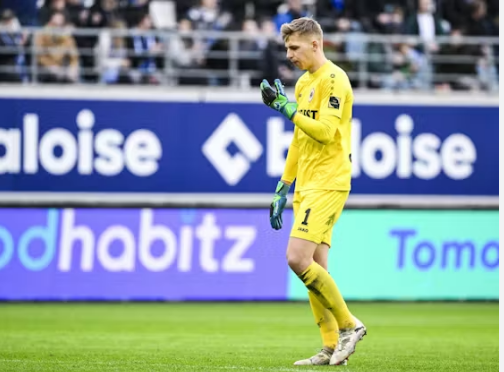
Overview of Trafford’s Current Situation at Manchester City
James Trafford’s journey at Manchester City showcases both potential and challenges, reflecting the complexities of player development within a top-tier club. Initially regarded as an emerging talent, Trafford’s performance in the academy set high expectations for his future. His agility and shot-stopping ability earned him accolades, establishing him as a promising goalkeeper with the potential to contribute significantly to the first team.
However, as Trafford progressed, the reality of competition at Manchester City began to influence his playing time. The presence of established goalkeepers, notably Ederson, has constrained his opportunities on the pitch. Ederson’s experience, coupled with his commanding presence, often leaves little room for younger players to gain minutes in high-stakes matches. Consequently, Trafford’s appearances have become limited, with sporadic involvement primarily in lower-profile fixtures or cup competitions.
Statistics serve to illustrate this predicament, as Trafford’s total minutes in competitive matches remain significantly lower than those of his more seasoned counterparts. Analysts have noted that a lack of consistent playing time can impede a young goalkeeper’s development, preventing them from honing their skills in real match scenarios. This challenge illustrates the broader issue young talent often faces within elite clubs, especially when surrounded by accomplished players.
Furthermore, Trafford has expressed frustration regarding the minimal minutes available to him. In recent interviews, he has indicated a desire for clearer pathways to first-team opportunities, emphasizing the importance of regular playing time for his growth. As the transfer market approaches, the need for more substantial action may become pressing, raising questions about Trafford’s future at Manchester City and the potential for seeking opportunities elsewhere.
The Impact of Limited Game Time on Trafford’s Development
The development of young footballers is intricately linked to the amount of playing time they accumulate on the pitch. For a promising talent like Trafford at Manchester City, limited game time can significantly hinder growth in crucial areas such as skill enhancement, confidence, and overall player maturity. Sports psychologists unanimously agree that regular match exposure is essential for young players to translate their training efforts into tangible performance improvements. Without adequate playing time, a player’s ability to adapt to high-pressure match scenarios diminishes, leading to slower overall progression.
In the world of football, many aspiring talents have faced similar dilemmas, often reflecting on their career paths when limited by their club’s competitive environment. Take, for instance, the case of a young goalkeeper who once found himself in the same predicament. Despite showcasing great potential during training sessions, the lack of starts in competitive matches stifled his development. Seeking more playing time, he ultimately transferred to a lower division club, where he consistently played, developed his skills, and regained his confidence. This experience eventually allowed him to secure a second chance at a top-tier club, where he once again excelled.
As Trafford navigates his own situation within Manchester City, the significance of regular game time cannot be overstated. The natural integration of competitive experience aids in honing a player’s technical capabilities, fostering tactical awareness, and enhancing decision-making under pressure—all of which are critical for a goalkeeper’s development. Without such opportunities, Trafford risks stagnation, potentially leading him to consider alternatives outside the transfer market. The experiences of other players who have pursued more prominent roles elsewhere serve as a reminder of the importance of making decisions that prioritize personal growth and future aspirations.
Potential Destinations for Trafford: Examining Transfer Options
As an emerging talent within the Manchester City setup, Trafford’s limited playing time has raised questions about his future. Given the competitive environment at Manchester City, where the squad is filled with seasoned players, the potential for Trafford to secure consistent minutes may compel him to consider options in the transfer market. Several clubs could benefit from Trafford’s skills, as they seek to bolster their goalkeeping positions.
One probable destination for Trafford could be clubs within the English Premier League that require a young, capable goalkeeper. Mid-tier teams often look to develop young talent as a strategic long-term investment while also addressing immediate needs in their squad. For instance, teams like Aston Villa or Brighton & Hove Albion have recently been known to invest in young players, making them likely candidates to express interest in acquiring Trafford through the transfer market.
Furthermore, moving to clubs in lower divisions, such as the Championship, can also serve as a stepping stone for Trafford. Clubs in this league are often in need of fresh talent who can provide resilience and improve competition in the goalkeeping department. A loan move could be a wise choice, allowing him to gain valuable playing time and experience away from the intense spotlight of the Premier League.
Insights from transfer market experts suggest that endeavoring to secure a move abroad could also open avenues for Trafford. Several clubs in Europe’s top leagues might be interested in his potential, especially if they are looking to build a future around a young goalkeeper. The economic feasibility plays a critical role in shaping these decisions, ensuring that both Trafford and prospective clubs align on mutual needs and goals. Evaluating playing styles and fit within different teams will be crucial in determining the best course for Trafford’s career should he elect to depart from Manchester City.
Fan Reactions and Media Speculations Surrounding the Situation
The ongoing speculation surrounding Trafford’s potential exit from Manchester City has incited a wave of reactions from fans and media alike. Many supporters have taken to social media platforms to express their views on the young goalkeeper’s situation. A prevalent sentiment among fans is disappointment at the prospect of losing a promising talent, as many feel that Trafford possesses the skills necessary to thrive as a first-choice goalkeeper. Comments on forums reflect a belief that limited playing time at Manchester City may impede his development, and thus, a departure could be beneficial for both the player and the club.
On the other hand, there are opinions considering this as a necessary step for Trafford’s career progression. Some followers highlight that constant competition within Manchester City’s roster has made it difficult for him to secure a consistent starting role. Thus, the notion that he should seek opportunities elsewhere for regular playing time resonates with a significant faction of the fanbase. They argue that a transfer might not only enhance his growth as a goalkeeper but also provide him with invaluable experience that could benefit the club in the long run, should he ever return.
Sports journalists have also weighed in on the narrative, framing it as a crucial juncture for both Trafford and Manchester City. While some portray the potential exit as a failure to meet expectations, others see it as a strategic decision that could allow the club to nurture other emerging talents in the goalkeeper position. This duality in media framing contributes to the complexity of the discussion around Trafford’s future. As public opinion continues to evolve, it is clear that the transfer market will play a significant role in determining the trajectory of his career, and any developments will undoubtedly be closely scrutinized by fans and analysts alike.