

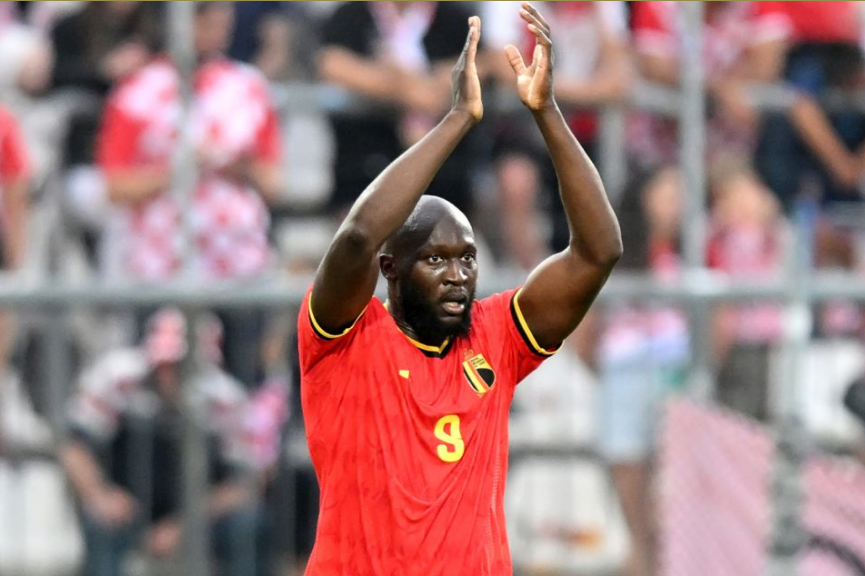
Introduction to Belgium’s Victory
On the evening of the most recent international friendly, Belgium faced Croatia in a match that held significant importance for the Belgian national football team, particularly given Romelu Lukaku’s much-anticipated return to the squad. The tilt ended in a decisive 2-0 victory for Belgium, bolstered by Lukaku’s impressive goal. This match not only served as a crucial World Cup warm-up for the team but also allowed Belgium to showcase their tactical adjustments and renewed spirit with the reintroduction of their star striker.
Romelu Lukaku’s comeback serves as a pivotal moment for Belgium, especially considering the challenges faced in recent matches and qualification rounds. His presence on the field was palpable, as he demonstrated his skill and tenacity, quickly becoming an integral part of the team’s strategy. The goal he scored against Croatia was not just a testament to his individual talent but also a morale booster for the team moving forward; it sent a clear message of readiness ahead of their upcoming fixtures.
The victory over Croatia has profound implications for Belgium, reviving optimism among players and fans alike. This result instills confidence in the team as they prepare for competitive matches, particularly as they eye the forthcoming World Cup. The significance of a strong showing against a high-profile opponent like Croatia cannot be understated, as it reflects Belgium’s capability to maintain their status as a formidable force in international football.
As Belgium progresses, the focus will shift to building on this momentum. The successful integration of Lukaku into the squad could prove to be a game-changer, positioning Belgium favorably for the Croatia rematch in future tournaments. Overall, the recent performance signals a potential resurgence for the national team, marking an inspiring chapter in the lead-up to the World Cup.
Romelu Lukaku’s Performance
Romelu Lukaku’s return to the Belgium national team in the World Cup warm-up match against Croatia proved to be a momentous occasion, not only for the player himself but also for the team’s overall dynamics. His performance was characterized by remarkable skill and a palpable sense of determination, culminating in a vital goal that secured Belgium’s 2-0 victory.
Throughout the match, Lukaku exhibited his renowned strength and agility, often drawing defenders towards him, thereby creating space for his teammates. His first touch was notably smooth, allowing him to position himself well on several occasions. One of the key moments of the match was when Lukaku engaged in a brilliant one-two play with Kevin De Bruyne, which showcased not only his footballing intellect but also the seamless integration he had within the squad, despite his absence from previous matches.
As the game progressed, Lukaku’s influence on the pitch became increasingly evident. Not only did he find the back of the net, but he also consistently pressed the Croatian defense, harrying them into making errors. His goal was a testament to his poacher instincts, as he capitalized on a loose ball in the box, striking it decisively into the net. This moment was instrumental in reinforcing Belgium’s dominance during the game and served to elevate the team’s morale, signaling a potential resurgence in their campaign.
Lukaku’s overall impact was further highlighted by his willingness to drop deep and facilitate play, allowing Belgium to maintain control in midfield. His ability to hold off defenders while distributing the ball effectively demonstrated his versatility beyond scoring. The combination of Lukaku’s physical prowess and technical ability makes him a crucial asset as Belgium looks forward to their upcoming challenges, particularly in their attempts to perform well in the World Cup.
Analysis of Belgium’s Strategy
In the recent friendly match against Croatia, Belgium showcased a tactical approach that highlights their strengths and bolsters team cohesion. The match ended with a 2-0 victory, largely facilitated by a solid formation that allowed key players, including Romelu Lukaku, to excel. Belgium opted for a 3-4-2-1 formation, which enabled a flexible midfield while providing ample support to the front-line. At the heart of this strategy was the emphasis on both defensive stability and offensive fluidity.
Romelu Lukaku’s role as the central forward was pivotal. His presence not only drew attention from the opposition but also allowed for greater space and freedom for wingers and attacking midfielders. This was evident in the sequences leading to the Lukaku Belgium comeback goal, which took advantage of the gaps in Croatia’s defense. The synergy between Lukaku and his teammates yielded a dynamic attacking threat, showcasing their potential for the upcoming World Cup fixtures.
Belgium’s strategy also emphasized quick transitions and wing play, with players like Yannick Carrasco and Thorgan Hazard efficiently exploiting the flanks. The midfield duo, composed of Youri Tielemans and Axel Witsel, played crucial roles in maintaining possession and facilitating rapid ball movement, which intertwined with Lukaku’s ability to hold up play. As the match progressed, the coach’s decision to implement a pressing game further illustrated Belgium’s commitment to reclaiming possession swiftly.
As the team prepares for future competitions, the integration of Lukaku’s style into the overall strategy will be vital. His scoring capability, combined with Belgium’s fluid attacking movements, may become a cornerstone of their game plan leading into critical matches such as the World Cup. The performance against Croatia not only demonstrates the team’s potential but also sets the tone for their tactical identity going forward.
Looking Ahead: Future Implications for Belgium
The recent match between Belgium and Croatia, which ended in a 2-0 victory for Belgium, has significant implications for the national team moving forward. Romelu Lukaku’s return and his subsequent goal during the game not only reinstate his position as a key player but also rejuvenate optimism among fans and analysts alike about Belgium’s prospects in upcoming international tournaments.
As the team prepares for the UEFA competitions and World Cup qualifiers, the inclusion of Lukaku in the squad is expected to enhance overall team cohesion. His experience and physicality provide Belgium with a tactical edge that can be pivotal in high-stakes matches. Observations from the recent performance indicate that the attacking framework of the team benefits greatly from Lukaku’s presence, as he draws defenders, thus creating space for other forwards to exploit. Moreover, his ability to score can relieve pressure during critical phases of matches, as seen with the timely goal he netted against Croatia.
The integration of Romelu Lukaku into the team dynamics can also influence the strategic approach Belgium adopts against various opponents. With his keen ability to handle intense situations, his role could facilitate a more aggressive attacking strategy, allowing Belgium to dominate possession and control the game’s tempo. This tactical flexibility could be vital when facing teams with strong defensive setups, ensuring that Belgium maintains its competitive edge.
In high-pressure matches, where the stakes are raised, Lukaku’s experience can be an anchor for the younger players and newcomers to the squad. As Belgium looks to solidify its performance in qualifiers and beyond, Lukaku’s involvement could prove to be a game changer, aligning with the team’s ultimate goal of clinching international titles.