

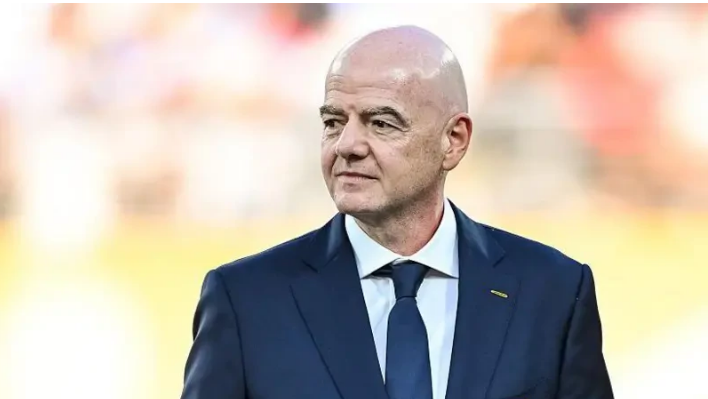
The Current State of FIFA
The International Federation of Association Football, commonly known as FIFA, operates under a complex governance structure designed to oversee the sport globally. Under the leadership of Gianni Infantino, who has served as the president since 2016, FIFA has become embroiled in numerous controversies that have raised questions about its effectiveness and integrity. Infantino’s tenure has not been without its challenges, and the spotlight has often fallen on the organization’s decision-making processes and adherence to ethical standards.
FIFA has been criticized for various issues ranging from allegations of corruption within its ranks to the management of major tournaments. These controversies have led to a perceived crisis within the organization. The allegations of systemic corruption that emerged prominently during the latter years of Sepp Blatter’s presidency have not fully dissipated. Infantino’s approach to leadership has been scrutinized, with critics suggesting that despite promises of reform, the underlying problems remain unaddressed.
Furthermore, FIFA’s governance has faced intense scrutiny regarding its financial transparency and accountability. The organization has been accused of prioritizing profits from sponsorship deals and media rights over the integrity of the sport. As a result, the reputation of FIFA has taken a significant hit, particularly among football enthusiasts and national federations who continue to demand better governance practices. This is critical as football governance plays a vital role in maintaining fair play and the sport’s global image.
In essence, the combination of leadership crises under Gianni Infantino, ongoing financial transparency issues, and the handling of controversial incidents has created a perfect storm, contributing to a perception of crisis within FIFA. These factors collectively affect both its operational effectiveness and its reputation globally, posing a formidable challenge for the organization as it navigates these turbulent waters.
Infantino’s Leadership and Vision
Since assuming office as the president of FIFA, Gianni Infantino has embarked on a multifaceted approach to leadership, aimed at revitalizing the organization’s image and addressing the challenges that have historically plagued football governance. Acknowledging the fifa crisis that has tarnished the organization’s reputation, Infantino has prioritized transparency and reform as cornerstones of his administration.
One of his primary initiatives has been the introduction of various reforms intended to enhance the overall governance of FIFA. Under his leadership, the focus has shifted towards greater accountability and the promotion of ethical standards. Infantino has pushed for updates to the federation’s governance structures, ensuring that decision-making processes are more inclusive and representative of the global football community.
Infantino’s vision for the future of soccer encompasses an expansion of the FIFA World Cup, highlighting his ambition to make the tournament more accessible to nations around the world. This vision not only aims to promote the sport on a global scale but also to secure greater financial revenues for FIFA, which he views as essential for funding development programs in football, especially in lesser-known regions.
However, this leadership approach has not been without its challenges. Infantino has faced considerable resistance from within FIFA, where entrenched interests and political maneuvers often complicate the reform process. Navigating these internal dynamics requires not only strategic foresight but also diplomatic skills to unite diverse stakeholders who may have conflicting priorities.
To counteract these challenges, Infantino has emphasized the need for collaborative efforts, fostering dialogue among member associations, and creating an environment conducive to change. His commitment to engaging with national associations and regional confederations is crucial for building consensus and overcoming the inertia that can hinder progress.
Ultimately, Infantino’s leadership style reflects a determination to reshape the perception of FIFA and restore trust among fans and stakeholders. By addressing the pressing issues surrounding football governance and advancing meaningful reforms, he is paving the way for a more sustainable future in world football.
Calls for Reform: What’s at Stake?
The current landscape of world football, governed by FIFA, is under increasing scrutiny as calls for reform intensify. These demands stem from a myriad of stakeholders, including national football associations, players, fans, and prominent football figures, all expressing concerns about the transparency and governance issues that have marred the organization in recent years.
One of the most pressing concerns is the apparent lack of accountability within FIFA. Stakeholders assert that without significant changes to how FIFA operates, the risk of financial mismanagement and corruption could lead to a deeper crisis. The FIFA crisis has prompted criticisms from various corners, advocating for more open governance structures that hold the decision-makers accountable for their actions.
Moreover, reform advocates emphasize the necessity for a clearer framework to ensure ethical conduct and decision-making processes. The calls highlight that improvements in football governance can not only restore trust in FIFA but also enhance the global image of the sport. If FIFA fails to address these concerns adequately, it risks alienating its most vital stakeholders, including fans and sponsors, ultimately jeopardizing the future growth of international soccer.
Additionally, the negative implications of not implementing reforms are substantial. The push for enhanced transparency is not merely about internal governance; it reflects a broader demand from the global football community for fair play and integrity. Should FIFA ignore these reform proposals, the integrity of competitions and the governing body itself may face irreparable damage, leading to a diminished reputation on the international stage.
In light of these challenges, the reform agenda spearheaded by stakeholders is vital. It is imperative for FIFA under Gianni Infantino’s leadership to engage with these calls proactively. By doing so, FIFA can transform its crisis into an opportunity for meaningful change, fostering an environment where football governance is synonymous with ethical standards and accountability.
Potential Pathways for Reform
The current landscape of FIFA, under the leadership of Gianni Infantino, continues to face substantial challenges that have raised questions about the organization’s governance and integrity. As FIFA navigates through this crisis, exploring potential pathways for reform is essential to restore credibility and ensure the long-term sustainability of football governance.
One significant avenue for reform involves the restructuring of FIFA’s governance framework. Implementing a more transparent and democratic decision-making process can instill greater confidence among stakeholders. This includes the introduction of independent oversight bodies that allow for impartial evaluations of FIFA’s operations, ensuring accountability at all levels. Furthermore, establishing clear guidelines on governance practices will enable a better understanding of the responsibilities and functions of FIFA’s leadership.
Improving transparency practices is also paramount in addressing the ongoing FIFA crisis. By enhancing communication with stakeholders, FIFA can cultivate a culture of openness that actively engages fans, member associations, and sponsors. For instance, regular public disclosures about financial activities and decision-making processes can serve to demystify operations and attract public trust. Transparency initiatives may also extend to the bidding processes for tournaments, where clarity can mitigate claims of corruption and favoritism.
Additionally, FIFA must strive to enhance ethical standards across all levels of the organization. This includes implementing robust training programs that emphasize ethical conduct among staff and leadership, alongside clear channels for reporting misconduct. Equally, FIFA should embrace a zero-tolerance policy towards unethical behavior, holding individuals accountable regardless of their position within the organization. This stance can transform the culture of football governance, ensuring that actions align with the principles of integrity and fairness.
The role of global soccer stakeholders, including fans, cannot be understated in advocating for these reforms. Grassroots movements and fan organizations can amplify their voices through campaigns that demand accountability and transparency from FIFA’s leadership. By fostering a collaborative dialogue between FIFA and its supporters, a collective vision for football governance can emerge, reflecting the values and aspirations of all involved in the beautiful game.