

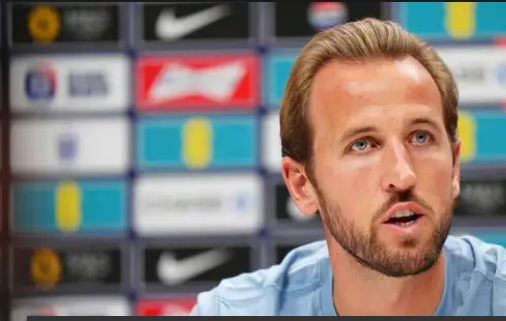
Talks between Harry Kane and Bayern Munich are reportedly moving in a positive direction, although no completed agreement has been formally confirmed. The discussions are understood to be focused on the striker’s future at the German club, with both sides continuing to assess the framework of a possible new arrangement. Progress in negotiations should therefore not be treated as proof that every major detail has been settled or that an announcement is imminent.
Kane remains an important figure in Bayern Munich’s squad and is central to the club’s attacking plans. Since joining the team, he has carried significant responsibility as a goalscorer and senior presence, making his contractual position relevant to both sporting planning and the club’s wider long-term strategy. A developing Kane contract has consequently attracted attention beyond Germany, particularly because prominent players can influence recruitment, squad continuity, and the expectations surrounding Bayern’s next phase.
At this stage, reports indicate progress rather than a final agreement. The precise length of any extension, financial terms, clauses, and possible announcement date should be regarded as unverified unless confirmed by Bayern Munich, Kane’s representatives, or consistently reliable reporting. Barcelona interest may also add context to the story, but speculation about outside interest does not establish that a transfer is being negotiated or that Kane has decided to leave. The timing of any official communication matters because clubs often complete several stages of internal approval and legal review before publishing contract news. Until those steps are completed, the most accurate description is that Harry Kane and Bayern Munich are continuing constructive discussions while important details remain subject to negotiation.
Harry Kane’s value to Bayern Munich extends well beyond the goals recorded on the scoresheet. His consistent finishing gives the club a dependable source of goals in the Bundesliga and Champions League, while his movement allows him to contribute even when opponents limit his opportunities in the penalty area. Kane can drop into deeper positions, connect midfield with attack, and create chances for wingers and advancing full-backs. This link-up play adds variety to Bayern’s approach and makes the team less dependent on individual moments of improvisation.
His experience is equally important. Kane has performed under intense pressure in domestic title races, European knockout ties, and international tournaments, providing a mature reference point for younger teammates. His preparation, decision-making, and standards in training can support the development of emerging attackers, while his presence offers leadership during difficult periods. For a club pursuing sustained success, retaining an established striker can provide greater tactical stability than attempting to integrate an expensive replacement whose adaptation is uncertain.
A successful Kane contract agreement would also demonstrate that Bayern Munich intends to build its attacking structure around a proven centre-forward. That commitment could help shape recruitment, define the responsibilities of supporting players, and reinforce the club’s ambitions in both domestic and European competitions. At the same time, negotiations must account for more than sporting performance. Contract length, salary commitments, age profile, squad planning, and financial flexibility will all influence the final decision. Bayern must weigh Kane’s immediate contribution against the resources required to maintain balance across the squad. Barcelona interest, whether concrete or speculative, may add attention to the situation, but Bayern’s priority remains assessing how securely Kane fits its long-term sporting and financial plan.
A high-profile Kane contract negotiation is likely to involve several connected issues, even when both sides describe discussions as positive. The proposed extension’s length would be particularly important. A longer commitment could provide Harry Kane with greater security while allowing Bayern Munich to protect the value of one of its most important players. However, the club and the player may assess the risks of a lengthy agreement differently, especially as Kane moves further into the later stages of his career.
Financial terms would also be central. Discussions could cover basic salary, appearance payments, goal bonuses, trophies, and other performance-related incentives. Kane’s continuing output, fitness, injury record, and contribution to team results may influence how these elements are balanced. Image rights and commercial responsibilities could be relevant as well, given his international profile and value to Bayern’s global brand. Such matters can require detailed legal and commercial work beyond the headline salary.
The agreement might also address future transfer or release conditions, although no specific unresolved provisions should be assumed without official confirmation. These could affect the player’s long-term flexibility and Bayern’s ability to plan its squad. His role within the team may be another consideration, including expectations regarding leadership, tactical importance, and involvement in major competitions.
Kane’s representatives are expected to assess the proposal against his ambitions, career plans, and options elsewhere. Reports of Barcelona interest, if substantiated, could form part of the wider market context without determining the outcome. Bayern executives must weigh the striker’s importance against the club’s wage structure and broader financial planning, while coaching staff may provide views on his tactical and leadership value. Positive progress therefore suggests improved alignment, but it does not necessarily mean every sporting, financial, and legal detail has been finalized.
If negotiations produce an agreement, a new Harry Kane deal would offer important continuity for both the player and Bayern Munich. Kane could remain focused on his performances rather than facing repeated questions about his future, while a longer commitment would reinforce his status as one of the club’s central figures. Stability may also help him pursue team trophies and individual milestones with a clearer understanding of his role and long-term ambitions.
For Bayern, retaining the England captain would support more confident squad planning. His goalscoring, link-up play, and leadership have become significant elements of the team’s attacking structure, so keeping him could preserve chemistry with established teammates and provide a reliable foundation for future recruitment. It would also send a reassuring message to supporters that the club intends to compete at the highest level rather than allow one of its most important players to enter an uncertain final phase of his agreement.
The alternative would carry different consequences. If the Kane contract discussions stall or ultimately fail, speculation about a possible departure would likely return quickly. Reports concerning Barcelona interest, along with attention from other major European clubs, could intensify as the striker’s long-term plans become less clear. That uncertainty might affect public discussion around Bayern’s results, create distractions for Kane, and force the club to consider succession planning sooner than expected. It would not necessarily mean an immediate transfer, but it would make future decisions more complicated.
Readers should therefore monitor official statements from Bayern, updates issued by Kane’s representatives, and credible reports of a completed contract signing. His involvement and responsibilities in upcoming matches may also offer useful context, although team selection alone should not be treated as proof of negotiations’ progress. The clearest indication will come from formal announcements that define the agreement’s duration, sporting expectations, and commitment from both sides.